Ronan O’Malley is 62, spent 32 years running commercial salmon fishing boats out of Coos Bay before he sold his vessel after his wife’s 2015 cancer diagnosis, now runs a cramped, salt-streaked bait and tackle shop three blocks from the coast. His biggest flaw? He’s spent the last eight years building walls so high even his own brother can barely get past them, convinced any softness, any opening to another person, is just an invitation for loss to punch him in the gut again. He avoids the town’s summer festivals like the plague, but the crowd in his shop got so loud during the annual crab festival Saturday he bailed 20 minutes early, heading straight for the tavern on the edge of town where the regulars know not to bother him if he’s staring at his beer.
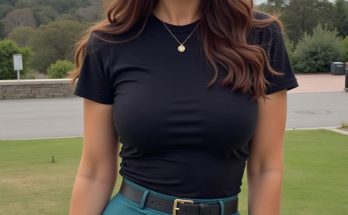
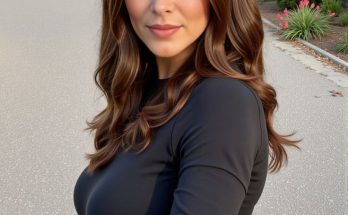
The only empty stool is tucked next to a woman he recognizes as the new librarian, the one who moved into the old blue cottage down the street from his shop three months prior, who’d come in once to ask for advice on feeding the feral cats that hang around the library’s back porch. He hesitates for ten full seconds before he sits, yanking the stool out so carefully his shoulder tenses, and even so his jean-clad knee brushes hers when he lowers himself. He mumbles an apology, staring at the scuffed toe of his work boot, and is surprised when she doesn’t shift away, just makes a soft, amused sound under her breath.

The bar smells like fried cod, vinegar, and salt air drifting through the propped-open screen door, Merle Haggard’s “Mama Tried” warbling low from the jukebox in the corner. He flags the bartender for an IPA, and when he rests his forearm on the sticky bar top her bare forearm brushes his, the soft knit of her cream sweater gliding over the sun-cracked, calloused skin of his arm. He flinches like he’s been burned, and when he glances over she’s already looking at him, her dark eyes crinkling at the corners, silver hoop earrings catching the neon blue of the Pabst sign behind the bar. She nods at the ragged scar snaking across his left knuckle, the one he got when a 12-pound Dungeness crab latched onto him mid-pot pull in 2019, and asks where he got it.
He tells her the story, rambling a little more than he means to, even admits he still has the crab’s claw mounted on a plaque above his shop’s cash register. She laughs, a low, warm sound that cuts through the noise of the crowd, and when she takes a sip of her bourbon her knee presses against his again, intentional this time, he’s pretty sure. He feels a hot twist of guilt in his chest, the same disgust he feels every time he catches himself looking at a woman for longer than two seconds, like he’s betraying the wife he buried eight years prior. He tells himself to finish his beer and leave, to go home to his empty cottage and his frozen TV dinner and the stack of old fishing magazines he’s been meaning to sort through, but he can’t make himself stand up.
A group of drunk college kids in festival hoodies barrels through the door ten minutes later, yelling and shoving each other, and one of them slams into the woman’s shoulder hard enough she lurches forward, catching herself on his arm. She leans into his side for half a second to avoid getting knocked into the bar, her shoulder pressing against his chest, and he can smell lavender shampoo mixed with the sweet, oaky scent of bourbon on her breath when she tilts her head up to look at him. “I’ve never been crabbing,” she says, quiet enough only he can hear it, her fingers still curled around the edge of his flannel sleeve, and the words hang between them for a beat, thick enough to touch.
He almost makes an excuse, almost says his old crabbing skiff is busted, almost says he doesn’t take people out who don’t know what they’re doing, but he doesn’t. He nods instead, pulls a crumpled napkin out of his jeans pocket, scribbles his cell number on it in the grease pen he always keeps tucked behind his ear. He walks her to her beat-up Subaru when she says she’s heading out, and she squeezes his hand once before she climbs in, her palm soft and warm against his calloused one, tells him to text her when he’s free next weekend.
He drives home slow, the windows rolled down, salt wind whipping through his gray hair, and when he walks in the door he glances at the framed photo of his wife on the mantel, the one where she’s grinning holding up a 20-pound salmon she caught on their first date. He doesn’t feel the sharp twist of guilt he expected, just a soft, quiet light in his chest he thought burned out years ago. He tucks the crumpled napkin she scrawled her own number on into the pocket of his flannel shirt, already pulling out his old crabbing gear list from the junk drawer by his front door.