Ronan O’Malley hauled three crates of hand-tied salmon lures to his booth at the Newport Crab Festival at 6 a.m., same as he’d done every year for the past decade. The air smelled like brine, diesel from the docked fishing boats, and the first batch of garlic crab the food vendors were steaming over open flames. He popped a piece of spearmint chew into his lower lip, wiped the rain mist off his faded gray flannel sleeve, and knelt to hammer stakes into the damp grass to hold his booth tarp down. He didn’t notice the woman setting up at the adjacent booth until her scuffed work boot tapped his calf.
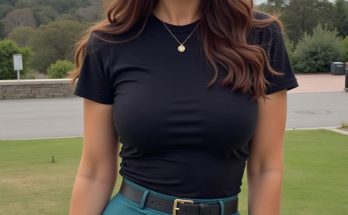
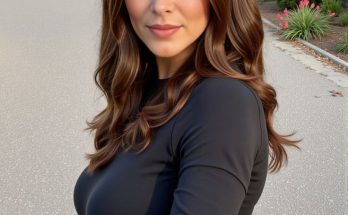
He looked up. She was holding a paper tray of still-warm cinnamon rolls, a streak of silver cutting through the chestnut waves of her hair pulled back in a loose braid, freckles dusted across her nose, laugh lines crinkling at the corners of her hazel eyes. It took him three full seconds to place her: Clara Carter, Joe’s youngest. The last time he’d seen her, she was 19, slinging a duffel bag over her shoulder to head to college in Seattle, flipping him off when he teased her about forgetting her rain boots. She was 48 now, he realized, and his throat went dry for no reason he could name without hating himself a little.

She set the cinnamon roll tray on the edge of his table, leaned in to hug him before he could protest, and the scent of vanilla extract and sea salt shampoo wrapped around him. Her shoulder pressed to his chest for half a beat too long, and when she pulled back she was grinning. “Mom said you’d still be chewing that garbage spearmint chew that rots your teeth,” she said, nodding at the faint bulge in his lower lip. He grunted, shifted his weight, and tried not to stare at the way her flannel shirt hugged her hips when she turned to grab a stack of sourdough bakery flyers from her own table.
They talked through the slow parts of the day, between groups of sunburnt tourists stopping to buy lures or grab samples of her lemon poppyseed bread. She told him about her mom’s physical therapy after the stroke that pushed her to move back from Seattle, about quitting her corporate marketing job because the city rain didn’t smell like salt and kelp, about how she’d missed the way the fog rolled over the Yaquina Bay Bridge at sunset. He told her about the bait shop he ran off the pier, about the 12-year-old kid who came in every Saturday to learn how to tie lures, about the way the Chinook salmon runs had shrunk 40% over the past five years. He kept catching himself leaning in when she talked, his knee brushing hers under the shared folding table they’d pushed between their booths when the wind picked up at noon.
When a group of rowdy teens ran between the booths with dripping snow cones, she grabbed his bicep to steady herself, her palm warm through the thin flannel, and he froze. He told himself it was wrong. She was Joe’s kid. He was 14 years older than her, for Christ’s sake, he’d watched her grow up. He’d held her when she was 10 and her goldfish died, helped her pay for her first semester of textbooks. The thought of wanting anything more than a friendly chat made his skin crawl with guilt, even as he found himself making excuses to touch her back: brushing a strand of windblown hair off her face when it stuck to her lip gloss, handing her a cold water bottle and letting his calloused fingers brush hers, patting her shoulder when she laughed so hard she snort-laughed at a story he told about Joe falling off the dock at a bachelor party.
The festival shut down early at 7 p.m. when a heavy rainstorm rolled in, the drops coming down so hard they bounced off the tarp above their heads. Most vendors ran for their cars as soon as the announcement blared over the loudspeakers, but Ronan stayed to help Clara fold up her table and stack her leftover bakery boxes, even though he knew he was only prolonging the time he had to go home to his empty trailer and his cold, forgotten pot of coffee. They hauled the last of her stuff to the back of his beat-up Ford pickup, since her small sedan was too small to fit the folding table, and ducked under the open tailgate to wait for the worst of the rain to pass. The air was thick with humidity, the sound of rain drumming on the truck roof loud enough to drown out the seagulls and the distant fog horn.
“I had a crush on you when I was 16, you know,” Clara said suddenly, turning to look at him, her eyes glinting in the dim orange light from the streetlamp at the edge of the parking lot. Ronan went still. He opened his mouth to say something, to tell her that was silly, that he was too old, that it was wrong, but she cut him off. “I know you think you’re supposed to be some kind of guardian to me or whatever because you were friends with my dad,” she said, shifting closer so her leg pressed tight against his, her hand coming up to rest on the thick scar across his left knuckle, the one he’d gotten on the fishing trip Joe died on eight years prior. “But I’m a grown woman. I haven’t stopped thinking about you since I pulled into town last month and saw you fixing a gill net on the dock. I know you’re scared to let anyone get close after your wife left. I know you blame yourself for what happened to my dad.” She paused, her thumb brushing the raised, pale scar. “He would’ve wanted you to be happy, you know.”
Ronan stared at her for a long minute, the heavy guilt he’d carried for eight years warring with the warm, bright spark of desire he’d been pushing down all day, the first thing that had made him feel alive since his wife drove north to Portland. He didn’t say anything. He just leaned in, cupped her cheek in his rough, calloused hand, and kissed her, soft at first, like he was scared she’d pull away, then deeper when she kissed him back, her arms wrapping around his neck, her body pressed tight to his. He tilted his head to deepen the kiss, the cold rain that blew under the tailgate landing on his wrist feeling like the only proof he wasn’t dreaming.