Margaret Holloway had perfected the art of patience over decades. At seventy, a retired linguistics professor with a life spent studying nuance and meaning, she understood the weight of every gesture. She didn’t need to rush; time had taught her that subtlety carried more power than haste.
It was at the local community theater, a small production of classical plays, that Robert Lane first noticed her. Sixty-five, a retired civil engineer with a habit of walking briskly through life, he usually skimmed details, distracted by schedules and obligations. Margaret, however, moved differently. She adjusted her scarf slowly, tilted her head deliberately as she scanned the stage, and settled into her chair with care, letting the moment fully arrive before her.
Robert couldn’t take his eyes off her—not because she demanded attention, but because the pace of her movements drew him in, unconsciously slowing him as well. Every tilt, every measured step, every casual glance was purposeful, and it carried meaning. Men often misread it as grace or elegance, but those who paid attention understood something more.
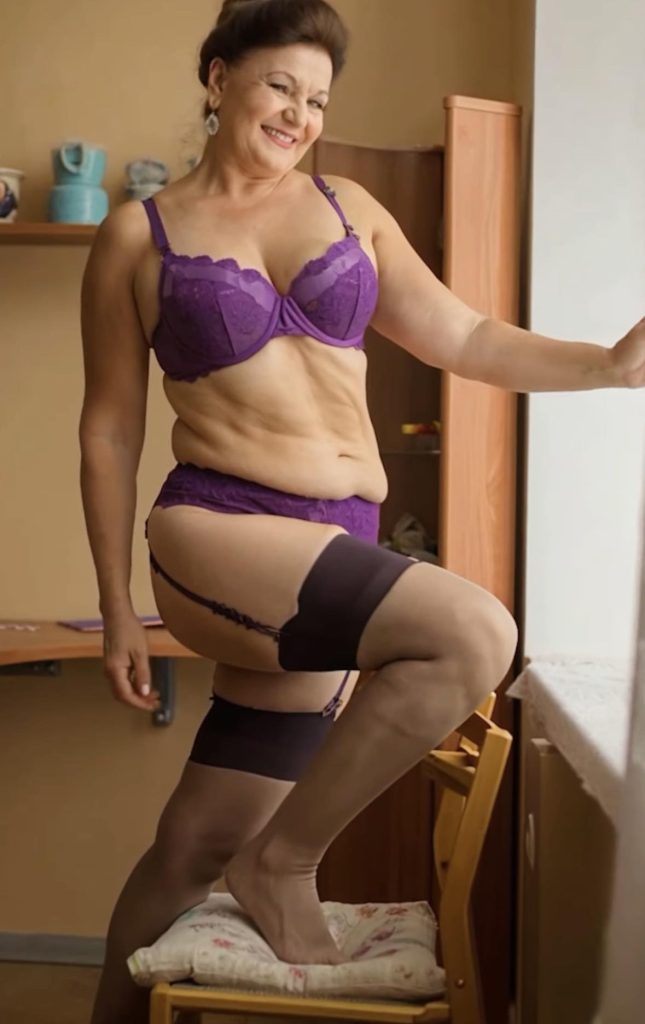
During the intermission, Robert found himself walking beside her in the lobby. She didn’t hurry. She didn’t glance at him, yet he felt the weight of her awareness. When she poured her wine, her hand lingered on the glass rim just a fraction longer than necessary. He noticed the momentary brush of her fingers against his own, brief but charged. She didn’t pull away abruptly; she simply let it exist.
“That was a fascinating first act,” Robert said, trying to mask the sudden awareness of how deeply he was affected.
Margaret turned toward him slowly, as if considering whether the conversation warranted effort. “It holds more if you pay attention,” she replied. Her voice was calm, inviting, and layered with an unspoken understanding.
That was the signal. Not a gesture of need, not a plea for attention, but a quiet, deliberate declaration: she was present, aware, and receptive in a way that wasn’t rushed. Men feel it immediately, though they rarely articulate it. It’s the pull of intention behind restraint, the magnetic weight of someone who doesn’t chase, who doesn’t demand, who simply is.
By the end of the evening, Robert understood what he hadn’t expected. The slow movement, the careful gestures, the unhurried attention—all of it was a language. And Margaret, with her subtle mastery, had spoken it fluently. Men who recognize it feel drawn, unsettled, and undeniably attentive. That is the power of a woman who moves with intent at any age.