Franklin Mercer had always believed that attraction announced itself. A laugh held too long. A compliment edged with intention. After sixty-five years, two grown kids, and a divorce that ended without fireworks, he trusted clear signals. Subtlety, he assumed, belonged to younger people still figuring themselves out.
Then he met Nora Whitfield at the public library’s evening lecture series.
Nora was sixty, a former landscape architect who now volunteered to curate small community events. She had a way of listening that made people feel briefly sharper than they were. Franklin noticed her not because she spoke often, but because she didn’t. She sat two seats away at first, posture relaxed, hands folded loosely in her lap.
When the lights dimmed, she shifted.
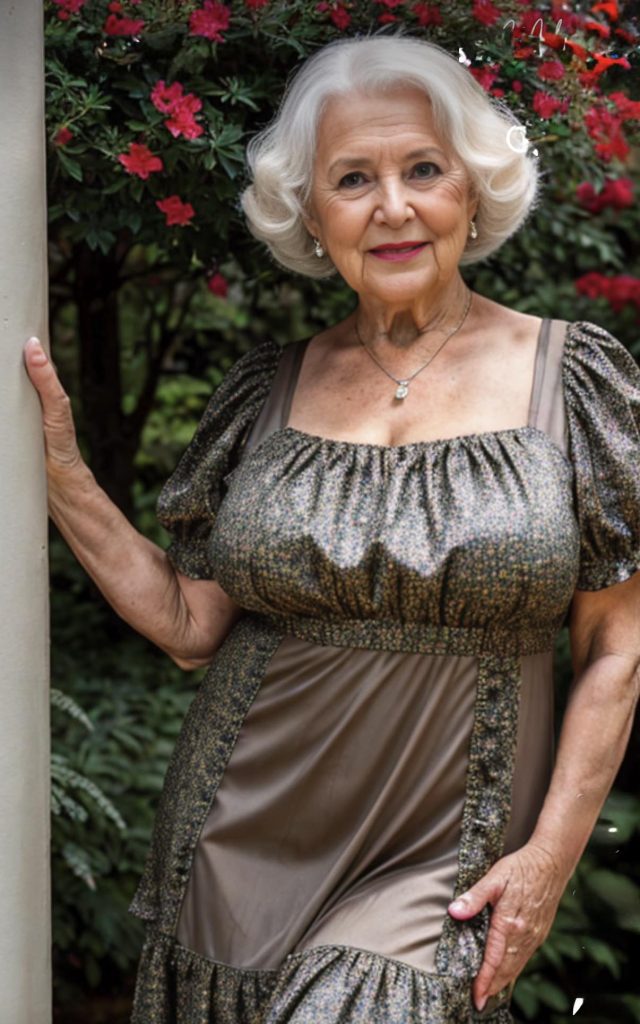
Not closer in any obvious way. Just enough that her chair angled toward his. Her foot crossed at the ankle, pointing his direction. She didn’t look at him. She didn’t smile. She simply adjusted her body as if aligning herself with something already decided.
Franklin felt it immediately. The quiet certainty of it.
During the lecture, he caught himself aware of her presence more than the speaker’s words. When he leaned back, she leaned back. When he laughed softly at a dry remark, she smiled a second later, not seeking his reaction, just sharing it. Her elbow rested near his arm, not touching, but close enough that the space between them felt intentional.
Afterward, people stood and stretched, conversations breaking out in clusters. Franklin rose, expecting the alignment to dissolve. Instead, Nora stayed seated for a moment longer. When she stood, she did so beside him, close enough that her shoulder brushed his jacket.
Still no comment. No apology.
“That was better than I expected,” he said, more to fill the space than because it needed filling.
She nodded. “It usually is, if you let it be.”
They walked toward the exit together. At the door, she paused, holding it open not just for him, but standing there with him, shoulder to shoulder. Her hand rested on the door frame near his. Not touching. Close.
Franklin realized something then that unsettled him—in a good way. She wasn’t waiting to be chosen. She had already chosen to stay.
Outside, the night was cool and quiet. Nora looked up at the sky for a moment before speaking again. “I’m grabbing a coffee across the street,” she said. “You’re welcome to join.”
It wasn’t framed as an invitation that needed acceptance. It was information, shared calmly.
As they walked, her pace matched his without adjustment. When he stopped to let a car pass, she stopped too, her arm brushing his lightly, naturally, as if it belonged there. Franklin felt the message settle in—not excitement, not urgency, but recognition.
Some gestures didn’t need explanation. Some choices didn’t raise their voice. And sometimes, the quietest movement told him everything he needed to know.