Roger Miles had grown accustomed to routine. At sixty-five, his days followed a steady rhythm: early coffee, a slow read of the newspaper, a walk along the riverfront, and an occasional visit to the local community center where he volunteered. Life was predictable, safe, quiet—and frankly, a little lonely.
That was until he noticed Eleanor Drake.
Eleanor, sixty-two, had a presence that seemed to fill the room without effort. She wasn’t loud or flashy. Her laughter was soft, her gestures measured. But there was a subtle magnetism in the way she carried herself, a confidence born from decades of navigating life on her own terms. When Roger first saw her at a lecture on regional history, she sat near the back, quietly observing. Most people would have overlooked her. He didn’t.
As the discussion began, she leaned forward slightly, a small motion that drew Roger’s attention. She asked a question, calmly, without demanding validation, and the room shifted subtly around her. When she smiled at an anecdote he made in passing, it wasn’t the reflexive smile people offered out of politeness. It was deliberate, measured, and directed.
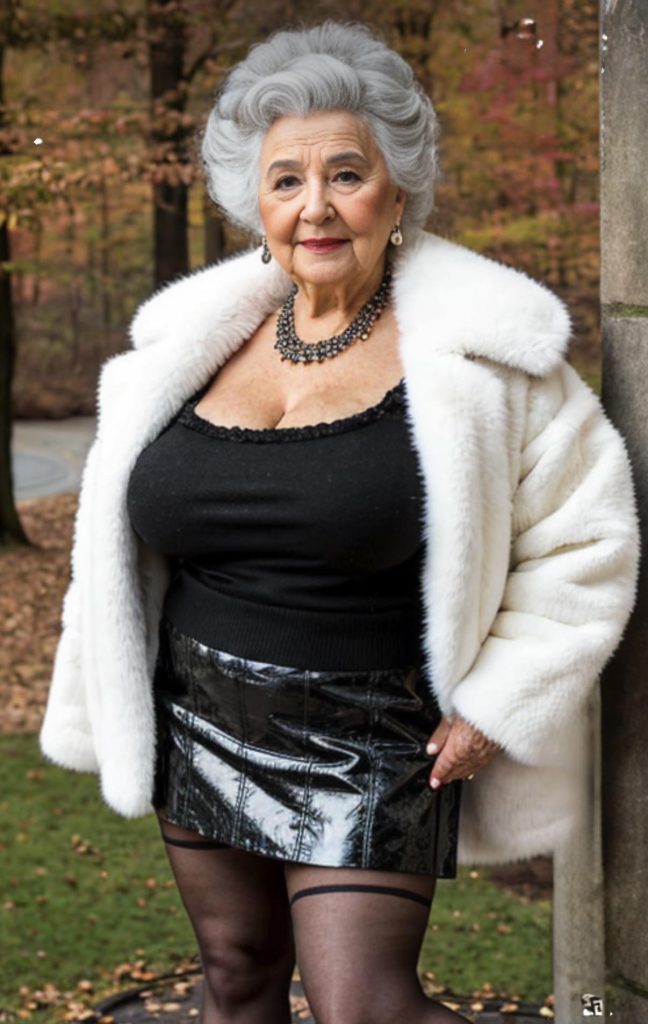
Roger felt it immediately—a recognition that her attention was not casual. It wasn’t the kind of smile you gave to everyone. It was meant for him.
After the lecture, attendees dispersed. Roger assumed that once the crowd thinned, Eleanor would vanish too, retreating into her own rhythm. But she didn’t. She lingered, adjusting her bag, glancing toward him, eyes steady and calm. When she finally approached, it wasn’t hesitant or tentative.
“You seem to enjoy the odd bits of history,” she said, her voice soft but confident. She didn’t step too close. She didn’t flinch when he spoke. She was exactly where she wanted to be.
They walked out together, sharing casual conversation about the city, past careers, and favorite hidden cafes. Every movement she made was intentional. She matched his pace, occasionally letting a pause stretch just long enough for the silence to speak. When she touched the edge of a railing, her hand briefly brushed his, and she didn’t pull away. The contact lingered, small but meaningful, and Roger felt the warmth of connection without needing to force it.
It hit him then: when she opened up, it was never random. Every gesture, every glance, every slight lean forward carried weight. She had chosen him, carefully and deliberately. Not everyone saw it. Not every man understood it. But he did, because she had given him the rare gift of noticing.
By the time they reached the small park nearby, evening light softening the edges of the day, Eleanor stopped and turned to face him fully. “I’m glad we ended up talking,” she said, eyes calm, unflinching. “Most people don’t notice what’s in front of them.”
Roger didn’t reach for her. He didn’t need to. He simply stood, absorbing the certainty in her presence, understanding that her opening up was a quiet invitation, a deliberate choice, and a test of awareness.
From that moment, he realized how often men misread subtlety. Eleanor’s openness wasn’t random. It was precise. And the knowledge of it changed everything—how he moved, how he listened, and how he let himself be present in return.