Caleb Morrison had learned, over fifty-eight careful years, to read rooms the way some men read weather. He noticed the way chairs angled toward each other, how voices softened when the bartender wiped the counter one last time, how certain silences carried weight. On Thursday nights, the community jazz lounge felt predictable. Retirees nursing bourbons. Widowers pretending they weren’t lonely. Divorcées laughing just a little too loudly.
Then Eleanor Price arrived late.
She didn’t make an entrance. No heads turned. No ripple of attention. She simply stepped inside, paused to let her eyes adjust, and chose a seat at the end of the bar. Gray streaked her dark hair, worn loose. Her coat stayed on. She ordered club soda, lime, no rush. Everything about her suggested composure. Control.
Caleb noticed her because she didn’t look around for approval.
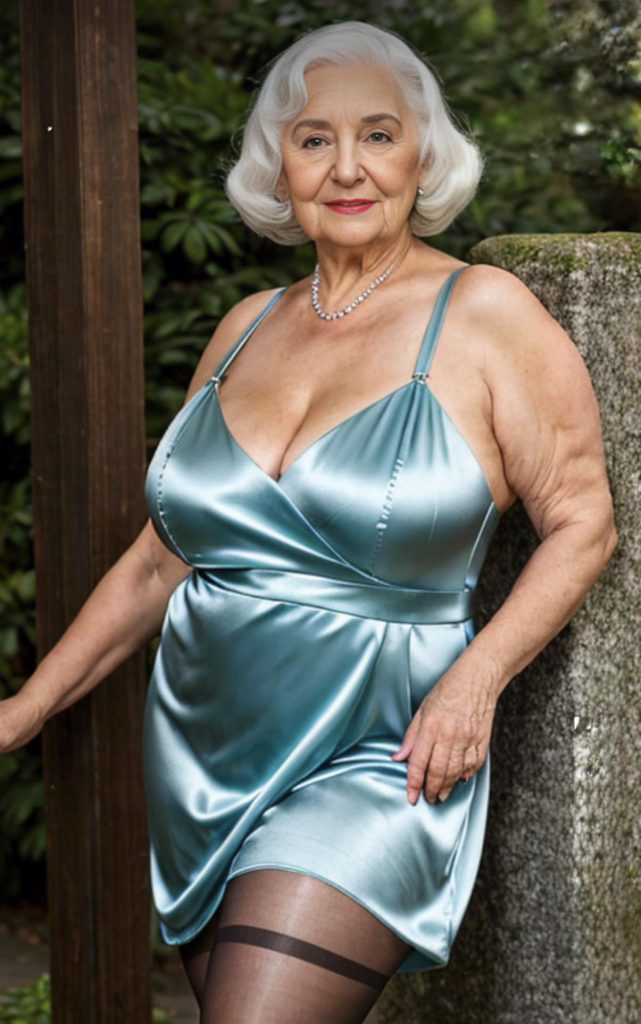
They exchanged nothing at first. Jazz filled the space between them, brushed drums and a trumpet that knew how to wait. Caleb kept his posture relaxed, hands open on the bar, like a man who had nothing to prove. Eleanor sat straight, ankles crossed, gaze forward. It felt deliberate. Like a boundary.
The bartender set down a fresh napkin. Caleb thanked him, then felt it—the slightest shift. Eleanor leaned back. Not much. Just enough for her shoulder to brush his sleeve.
She didn’t apologize.
Instead, she inhaled, slow and calm, as if she had meant to do it all along. Her elbow rested there now, light pressure, warm through fabric. Caleb’s first instinct was to move away. Old habits. Politeness. The fear of misreading something that mattered.
But she didn’t pull back.
He glanced sideways. Eleanor met his eyes, steady, unreadable, then looked away again. The corner of her mouth lifted—not a smile. More like permission.
That was the shift.
Conversation followed naturally, as if it had been waiting. Music first. Then the city. Then the strange relief of not explaining themselves. Eleanor had been a land-use attorney before retiring, a job that taught her patience and the value of silence. Caleb had spent decades managing logistics for a shipping firm, solving problems no one thanked him for.
They talked about what happens when noise fades from a life. How men are taught to fill it. How women learn to live inside it.
At one point, Eleanor turned fully toward him. Her knee angled closer, not touching, but aware. Caleb noticed how she listened with her whole body, how her attention never drifted. When she laughed, it was quiet, almost private. It made him lean in without thinking.
“People assume confidence has to be loud,” she said. “Sometimes it’s just knowing when not to move.”
The band took a break. The room shifted. Glasses clinked. Someone coughed. Eleanor stood, slipped off her coat, then paused. She looked at Caleb again, eyes sharper now.
“Walk me to my car,” she said. Not a question.
Outside, the air was cool, the street nearly empty. They stopped beside her sedan. Neither reached for the door. Eleanor turned, close enough that Caleb could smell citrus on her skin.
“That shift back there,” she said softly. “I do that when I decide something.”
Caleb nodded. He didn’t reach for her. He didn’t need to. The understanding settled between them, solid and unexpected.
She smiled then, finally. Not flirtatious. Certain.
And when she drove away, Caleb remained on the curb, aware that nothing dramatic had happened—and yet, everything had changed.