Margaret had spent most of her life doing the right thing. At sixty-two, recently retired from a long career in municipal planning, she had mastered restraint the way others mastered charm. She paid bills early, avoided unnecessary conflict, and chose stability over thrill every single time. Consequences had guided her decisions for decades. Until one afternoon, they simply… stopped carrying weight.
It happened at the marina café, a quiet place where the river met the city and time seemed to slow. She went there out of habit, not intention. That was where she met Russell. Sixty-five. Former contractor. Broad shoulders softened by age, eyes sharp with lived experience. He wasn’t trying to impress anyone. That was precisely the problem.
Their conversation began innocently—comments about the weather, the boats, the slow erosion of the shoreline. But something in the way Russell listened unsettled her. He didn’t rush to respond. He didn’t fill silence. He held eye contact without demanding anything, as if he had nothing left to prove. Margaret felt a quiet pressure build behind her ribs, unfamiliar and insistent.
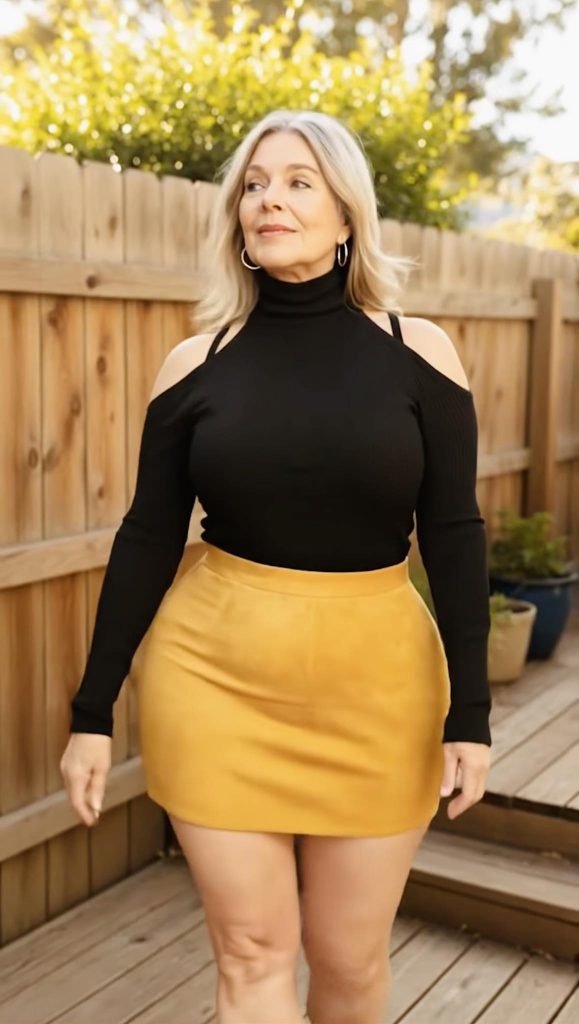
She noticed the shift first in herself. When he leaned back in his chair, she didn’t adjust her distance. When his knee brushed hers under the table, she didn’t pull away. Years ago, she would have. Reflexively. Automatically. Now she stayed still, aware of the contact, aware of the message it carried.
That was the moment everything changed.
Women like Margaret don’t lose judgment—they outgrow fear. She had already lived through reputational risk, heartbreak, disappointment, reinvention. She had survived loneliness that came disguised as peace. Consequences no longer felt like warnings; they felt like noise.
Russell sensed it. Men who have lived long enough recognize when hesitation disappears. He didn’t move closer. He didn’t test her. He simply mirrored her stillness, letting the tension settle naturally. Their conversation deepened—not flirtation, but truth. Regrets spoken plainly. Desires acknowledged without apology.
Margaret felt something unlock. Not recklessness. Clarity. The realization that safety had never protected her from emptiness—it had only delayed confrontation with it. She watched her own hands as she reached for her cup, noticed they didn’t tremble. Her pulse was steady. Her mind was quiet.
Later, as they walked along the dock, the sun low and forgiving, Russell paused near the railing. He stood close enough that stepping back would have been easy. Margaret didn’t. She stayed where she was, shoulder nearly touching his arm, aware that this small decision carried weight. And she accepted it willingly.
At her age, consequences stopped mattering because she finally understood the true cost of restraint. Not scandal. Not judgment. But the slow erosion of desire left unclaimed.
When Russell turned toward her, eyes searching but calm, Margaret felt no panic. Only resolve. Whatever followed—however brief or complicated—would be chosen, not avoided.
And for the first time in years, she felt free not because the risks were gone, but because she no longer needed permission to take them.