Daniel Mercer had always believed he understood women. At fifty-eight, divorced for nearly a decade, retired from a long career as a civil engineer, he carried himself with the steady confidence of a man who had built bridges—both literal and emotional. Or at least he thought he had.
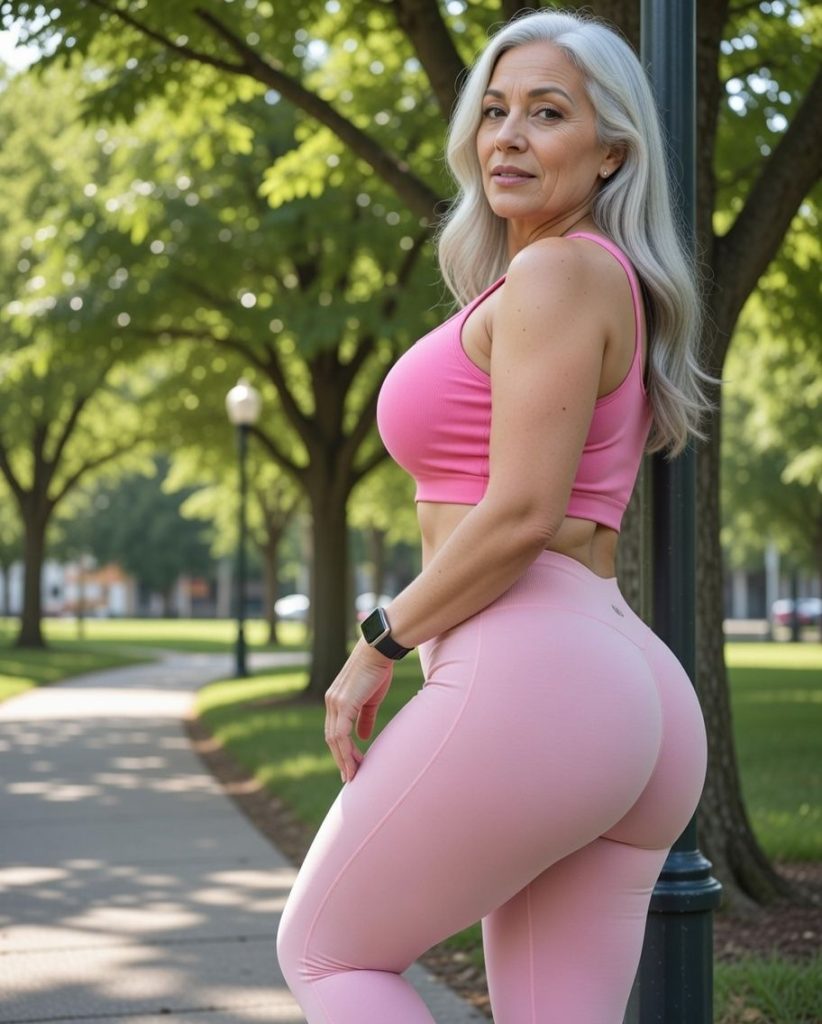
He met Valerie Ashford on a Thursday evening at a small coastal wine bar just outside Santa Cruz. She was sixty-two, silver threading through her dark hair, posture straight, eyes sharp in a way that made men sit up without knowing why. She’d spent thirty-five years as a high school literature teacher. Recently retired. Recently widowed. There was something about the way she held her glass—firm, deliberate—that suggested she had no interest in small talk.
Their first conversation was about books. Their second, about silence.
Valerie had a habit of pausing before answering a question, letting the quiet stretch. Daniel found himself leaning in during those pauses, studying the faint smile that curved her lips as if she knew exactly what that silence did to him.
They began meeting weekly. Coffee turned into dinners. Dinners turned into long walks along the shoreline, shoes in hand, the Pacific air cool against their skin. Daniel liked to talk; Valerie liked to listen. But when she did speak, her words were precise, measured, and they landed.
One night, back at Daniel’s townhouse, the air shifted.
A record played softly in the background—old blues, the kind that filled space without demanding attention. Valerie stood by the window, city lights brushing her silhouette. Daniel approached slowly, unsure whether to close the distance or wait.
He reached out, fingertips hovering near her waist, hesitant. That old fear crept in—the one men rarely admit. The fear of misreading the moment. Of wanting too much. Of moving too fast.
Valerie turned slightly, her eyes catching his. Not a word.
His hand settled lightly at her side, tentative, testing. She didn’t pull away. Instead, she let out a slow breath, and then—almost imperceptibly—her fingers found his wrist.
She didn’t grab him. Didn’t command. She simply guided his hand.
Gently.
Upward.
Her touch was warm, deliberate. She moved his palm from her waist to the small of her back, pressing it there as if placing something valuable exactly where it belonged.
Daniel felt it immediately—not just the heat beneath her blouse, not just the curve of her spine under his hand—but the message.
It wasn’t about urgency. It wasn’t about hunger.
It was permission.
Her eyes held his as she did it, searching for hesitation. There was none now. His thumb traced a slow line along her back, and she stepped closer, closing the final inch of space between them. The air thickened with something older than either of them. Something earned.
Daniel had been with women who rushed. Women who demanded fireworks and noise. Valerie was different. She moved like a woman who knew the value of restraint.
Her fingers slid from his wrist to his hand, interlacing briefly before guiding his palm forward again—this time resting it just beneath her collarbone. The gesture wasn’t provocative in a reckless way. It was intentional. A quiet declaration: This is where I want you.
He swallowed, breath shallow. “You’re not afraid,” he murmured.
Valerie smiled faintly. “At this age? Fear wastes time.”
But it wasn’t that simple. She had told him about the years after her husband’s passing. The loneliness. The way people assumed desire faded with gray hair. How she’d begun to doubt her own body, her own instincts.
Guiding his hand wasn’t just flirtation. It was reclamation.
Daniel’s hand moved with more confidence now, tracing the line of her shoulder, feeling the strength there. He realized something uncomfortable and liberating at once: she wasn’t surrendering. She was choosing.
There’s a difference.
He had spent years believing that leading meant initiating everything—being the aggressor, the architect of intimacy. But Valerie showed him another rhythm. When she guided his hand gently, it meant she trusted him enough to let him closer. It meant she wasn’t asking to be chased. She was inviting him to meet her halfway.
The kiss that followed wasn’t rushed. It built slowly, like a tide coming in. Her lips were soft but certain. Her hands rested against his chest, feeling the steady beat beneath his shirt.
Daniel felt something loosen inside him. A tension he didn’t know he carried. The pressure to perform. To impress. To dominate.
Valerie stepped back slightly, her fingers still hooked lightly in his. “You think too much,” she said, almost teasing.
“Old habit.”
“Then stop thinking.”
She guided his hand once more, this time placing it over her heart. He felt it—strong, steady, alive.
In that moment, Daniel understood the deeper meaning. When she guides your hand gently, it means she’s showing you where she feels safe. She’s telling you she wants connection, not conquest. She’s saying, I’m here, but you need to be present too.
He leaned his forehead against hers, eyes closed.
The rest of the evening unfolded without urgency. Slow touches. Shared laughter. A quiet confidence that neither of them had to prove anything.
Weeks later, Daniel found himself changing in subtle ways. He listened more. Reacted less. Paid attention to pauses. Valerie, in turn, grew lighter, more playful, her hand finding his in public without hesitation.
Their relationship wasn’t explosive. It didn’t burn hot and fast. It smoldered. Steady. Intentional.
On a late autumn afternoon, sitting side by side on a park bench overlooking the ocean, Valerie slipped her hand into his again. She guided it gently to rest over her knee this time, squeezing once.
Daniel smiled.
He no longer mistook guidance for control or softness for weakness. He understood the language now.
When she guides your hand gently, it means she’s not pulling you somewhere you don’t belong.
She’s inviting you exactly where she wants you to be.
And if you’re wise enough to follow, you’ll realize she’s been leading you toward something far stronger than desire.
She’s leading you toward trust.