Jonathan Reed had noticed it long before he fully understood it. At sixty-three, the retired university professor had spent decades observing patterns in people—students, colleagues, even casual acquaintances. But there was a phenomenon he kept coming back to: the unmistakable confidence that seemed to radiate from women in their sixties and beyond.
He first truly saw it in Diane Fletcher. She had joined a local art class he occasionally audited—not because he needed the lessons, but because he enjoyed the way the studio smelled of paint and turpentine, and the quiet hum of focused creativity. Diane, in her early sixties, walked into the studio with the calm assurance of someone who had lived long enough to know herself intimately. She didn’t look for approval. She didn’t adjust her posture to please anyone. She simply existed in her space—assertive, grounded, and entirely present.
Jonathan watched as she painted. Her brush strokes were deliberate, yet effortless. When she chose colors, she didn’t hesitate. She didn’t second-guess her choices because of imagined opinions or trends. She had learned long ago that her judgment mattered most to her, not to anyone else.
Later, during a break, Jonathan struck up a conversation.
“You seem… very comfortable in your decisions,” he said.
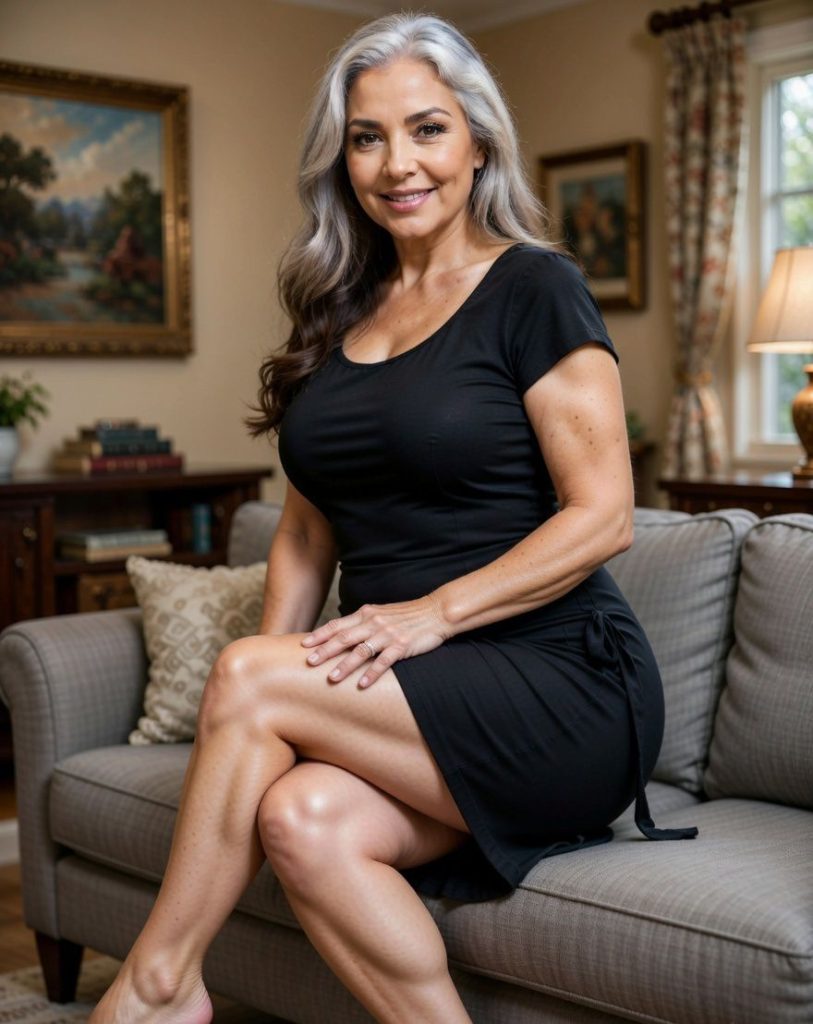
Diane looked at him with a small, knowing smile. “Comfortable comes with experience,” she replied. “And with age, you learn which battles are worth your energy.”
Jonathan nodded thoughtfully. “So confidence comes from knowing what matters?”
“Partly,” she said. “Mostly, it comes from realizing you don’t need permission to be yourself.”
He was intrigued. “And that happens around sixty?”
Diane laughed softly. “It can. Some women achieve it earlier, some later. But after sixty, many of us stop trying to fit into boxes we were never meant to occupy. Careers, children, societal expectations… most of it falls away. What remains is clarity. And clarity breeds confidence.”
Over the next few weeks, Jonathan noticed the pattern more clearly. Women like Diane moved through spaces differently. They walked with an ease that drew attention without seeking it. Conversations with them were grounded, honest, and often refreshingly direct. They laughed freely, disagreed without apology, and expressed desires or opinions without hesitation.
One afternoon, Jonathan and Diane took a walk along the lakeside trail. The sun glinted off the water, and the air was crisp with early autumn.
“You know,” Diane said, glancing at him, “a lot of people think confidence is about looking younger, or being flashy. But it’s not.”
“Then what is it?” Jonathan asked.
“It’s about ownership,” she replied. “Owning your experiences, your choices, your body, your time. Owning yourself. Once you do that, other people’s judgments matter very little. That’s why we seem… untouchable to some and magnetic to others.”
Jonathan smiled, realizing he had been witnessing this quietly for weeks. It wasn’t arrogance or bravado. It was self-possession, tempered by years of experience, tempered by losses, joys, mistakes, and triumphs.
As they walked back toward the studio, Diane added softly, “Confidence after sixty isn’t sudden. It’s a slow accumulation of knowing who you are, what you want, and that you deserve it without apology.”
Jonathan glanced at her, the sunlight catching her silver hair in a halo of warmth. In that moment, he understood. Confidence at sixty wasn’t about being fearless—it was about being free from fear of judgment.
And women who reached that clarity… were undeniably captivating.