Rafe Marquez, 59, retired wildland firefighter turned native plant nursery and firewood vendor, had spent the last three hours hovering over his dutch oven at the Bend annual fall chili cookoff, ignoring the way his left forearm itched under the thick flannel sleeve he refused to roll up. The air reeked of hickory smoke, charred beef, cheap beer, and the sharp, sweet tang of ponderosa pine falling from the blue September sky above the fairgrounds. He’d already taken home third place, a $75 gift card to the local feed store, and had turned down three separate offers from nearby widows to join their picnic tables, falling back on the tired excuse that he needed to watch his pot even though it had been off the propane burner for 45 minutes.
He was wiping a bead of sweat off his upper lip when she leaned in beside him, her shoulder brushing his unscarred right arm hard enough that he almost spilled the can of IPA he was holding. “That smells better than any of the batches I sampled over by the 4-H tent,” she said, and he turned to look at her, recognizing her immediately as the new next door neighbor who’d moved into the old Miller place three weeks prior. He’d spoken to her twice, both times over the fence, both times he’d made an excuse to leave before she could ask him anything personal. She ran a mobile equine vet clinic, he knew that much, had seen her trailer parked in her driveway with the sticker of a horse wearing a stethoscope on the back door, and she had a thin, pale scar snaking above her left eyebrow that he’d stared at for half a second too long the first time they met.
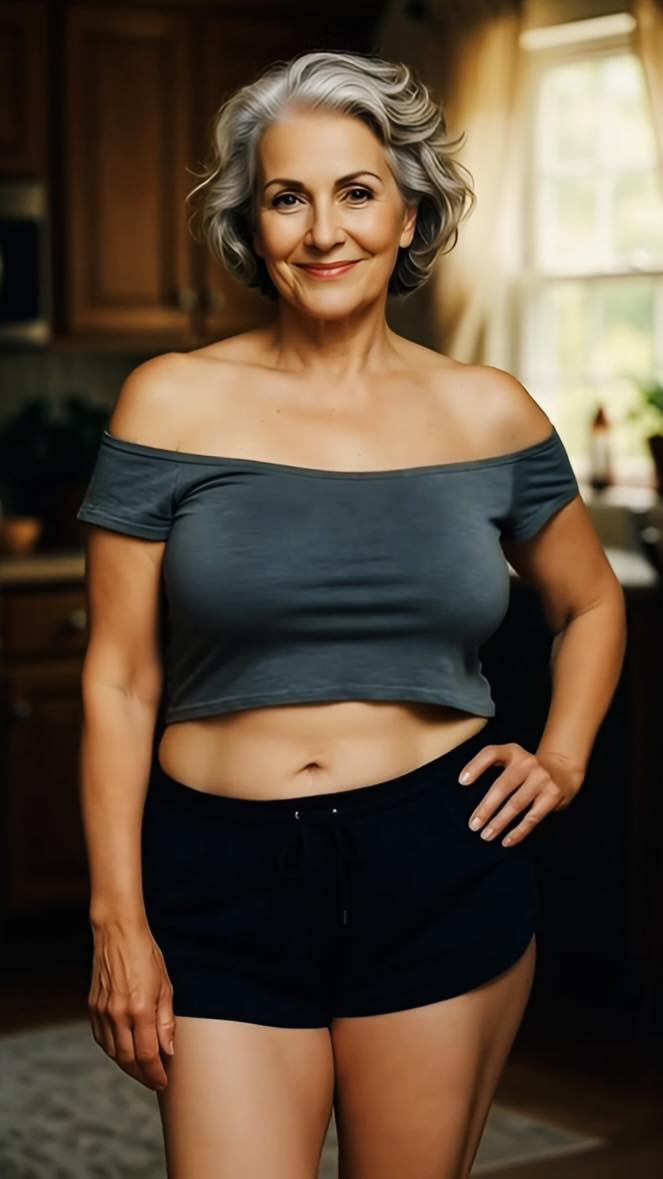
He mumbled a thanks, nodding at the dutch oven. “Threw a splash of bourbon from the distillery down off Route 20 in there. Covers up the fact I burned half the onions earlier.” She laughed, a low, rough sound that made the back of his neck feel warm, and leaned in a little closer, her hair brushing his bicep as she craned her neck to look into the pot. She was wearing a faded flannel of her own, jeans cuffed at the ankle, work boots caked in mud, no makeup, and he realized he hadn’t looked at a woman this closely since his wife died eight years prior, in a car crash on a rainy stretch of highway outside Portland.
They talked for ten minutes, about the unseasonably warm weather, the pack of coyotes that had been yipping in the woods behind their houses at night, the way the local town council was trying to raise property taxes to fund a new golf course no one wanted. He was so focused on the way her eyes crinkled at the corners when she laughed that he didn’t see the kid in a little league jersey come barrelling around the corner, a full cup of root beer held out in front of him like a weapon. The kid tripped over a cinder block holding down a tent stake, and she lunged forward, grabbing his left arm to yank him out of the way before the soda could soak both of their shirts.
He flinched so hard he almost dropped his beer, yanking his arm back like he’d been burned all over again, his face going hot with shame. The scars ran from his wrist all the way up to his elbow, thick, silvery, twisted, from a 2017 blaze outside Eugene where he’d carried two rookie crew members out of a burning stand of fir trees, his arm pressed to the side of a smoldering trunk for three full minutes while he hauled them to safety. He never showed them to anyone, never wore short sleeves in public, hated the way people stared, the pity in their eyes when they asked what happened.
She didn’t apologize right away, just held out her hand, palm up, like she was calling a skittish dog over. “Can I see?” she asked, quiet enough no one else could hear. He hesitated for a long time, then slowly held his arm out, watching her face as she rolled his sleeve up, her fingers soft against his skin. She ran her thumb over the thickest part of the scar, right above his wrist, and he shivered, half from the unexpected contact, half from the lack of pity in her eyes. “I see scars like this every week,” she said, looking up at him, her gaze steady. “On horses that got caught in barbed wire, on dogs that got hit by cars, on people that didn’t think they’d make it through whatever they went through. They’re just stories, no reason to hide them.”
He told her about the fire then, about the two rookies who still sent him Christmas cards every year, about the nightmares he still got sometimes, where he was back in the smoke, couldn’t breathe, couldn’t find his way out. She told him about her husband, who’d died in a skiing accident outside Aspen four years prior, about how she’d moved to Bend to get away from their old house that was still full of his ski gear, his old flannel shirts, the smell of his coffee on the counter every morning. She didn’t let go of his hand the whole time he was talking, her thumb brushing the scars on his forearm over and over, slow, gentle, like she was memorizing them.
The cookoff started wrapping up as the sun dipped below the Cascades, painting the sky pink and orange, and they walked back to their neighborhood together, their boots crunching on the gravel shoulder of the road. Her hand brushed his a few times, first accidental, then she laced her fingers through his, and he didn’t pull away, didn’t make an excuse, didn’t worry about the scars on his arm being on full display in the golden light. They stopped at his porch first, and he nodded at the door, his throat tight. “I got a case of that bourbon I put in the chili inside,” he said. “Want a glass?”
She smiled, squeezing his hand, and stepped up onto the porch ahead of him. The screen door creaked shut behind them, and for the first time in eight years, he didn’t reach for the light switch to dim the lamps before he let someone see the mess of his house, the photo of his wife on the mantel, the stack of old fire crew photos on the coffee table, all the parts of himself he’d spent almost a decade hiding away.