Rafe Mendez is 61, a third-generation billboard painter who’s spent 38 years scaling metal scaffolding across eastern Ohio, his forearms crisscrossed with thin scars from wind-tossed paint cans and his stubble perpetually dusted with flecks of cadmium red or cobalt blue. His only steady routine for the last eight years, since his wife died of ovarian cancer, has been avoiding small town charity events like the annual Millersburg fire department block party—until his only employee threatened to stop showing up to 5 a.m. scaffold calls if he didn’t make an appearance. He leans against the dented tailgate of his 1998 Ford F150, a lukewarm Pabst in one hand, ignoring the church ladies who keep side-eyeing him like he’s a fixer-upper project they can auction off to the widowed 4-H leader.
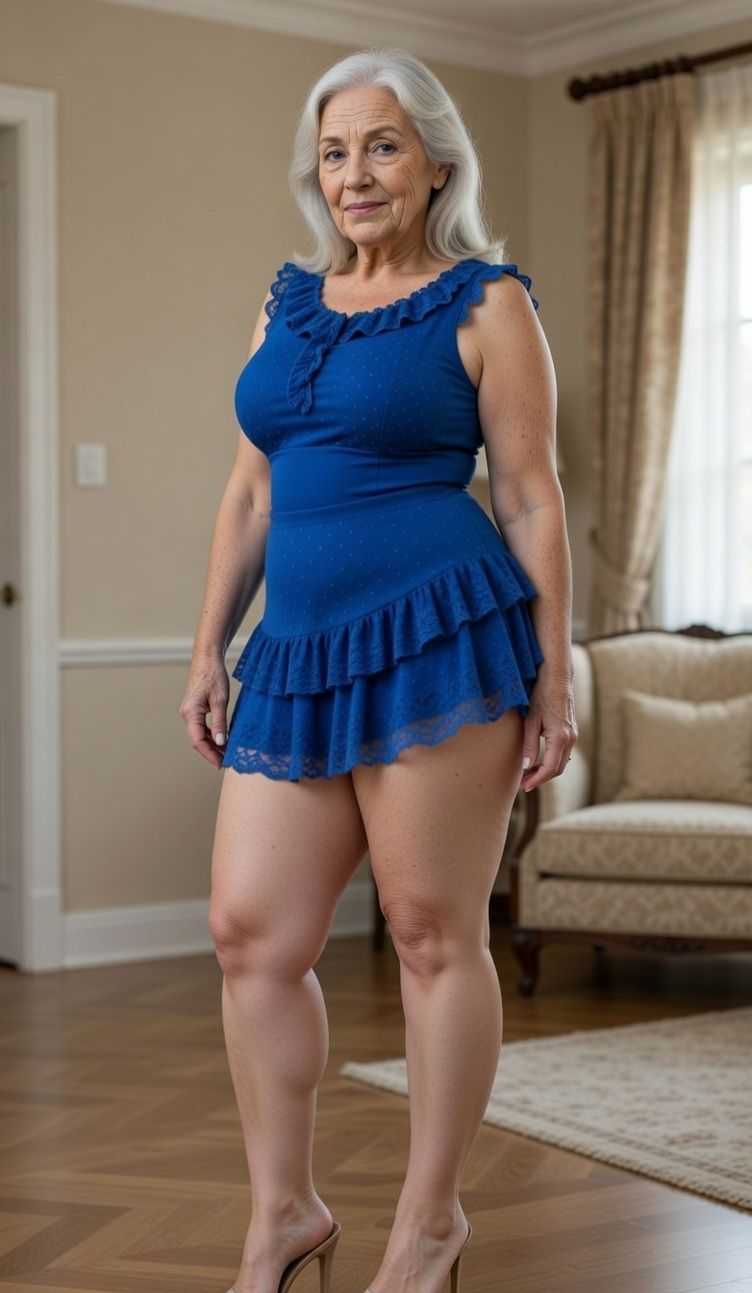
He spots her across the street first. Elara Hale, the woman who bought the creaky old Victorian two blocks from his workshop and opened the used pulp fiction bookstore on Main six months prior, is leaning against the pie auction table, laughing at something the teen bake sale volunteer just said. She’s wearing a faded daisy print sundress and scuffed cowboy boots, her dark hair twisted up in a messy bun held together with what looks like a vintage letter opener. Rafe has gone out of his way to avoid her for six months, his chest tightening every time he passes her bookstore window and sees her bent over a stack of tattered westerns, because he’s convinced he’s too rough around the edges, too covered in paint and too far removed from small talk, to deserve even a minute of her time.
The fire chief’s voice booms over the speakers, yanking him out of his head. The next pie up for bid is peach rhubarb, baked by Elara, all proceeds going to new turnout gear for the volunteer crew. The group of construction guys three feet away from him start hooting, bidding absurdly high just to get her to glance their way. Rafe doesn’t even realize he’s raised his hand until the chief points directly at him and yells “Sold! 120 bucks to Mendez!” His face burns. He shoves his empty beer can in the bed of his truck and trundles over to the auction table, fully expecting a polite, distant smile.
She hands him the tin pie plate, their fingers brushing for half a second, and Rafe’s skin prickles like he just touched a live wire. He notices the blue ink stain on her thumb from marking book pages, the tiny silver scar on her wrist from a teenage motorcycle crash she mentioned once to the diner waitress, the way her perfume smells like old paper and vanilla extract. “I’ve seen the billboards you did on Route 40, the ones with the sunset over the cornfields,” she says before he can mumble a thank you. “Digital ones feel dead. Yours look like you can feel the heat coming off them.”
No one has ever commented on his work that way, not even the ad executives who pay him to paint fast food logos. He’s so stunned he forgets to lie when she asks if he has time to walk her to his workshop, to get out of the sudden sharp sun beating down on the street. They stand shoulder to shoulder on the sidewalk, her bare arm brushing his paint-stained bicep every time a group of kids runs past chasing an ice cream truck. She tells him she restores tattered Louis L’Amour paperbacks in her spare time, has a shelf full of the exact same editions his dad used to read to him before his shifts at the steel mill. Rafe fights the urge to lean in closer, can hear the soft crinkle of her sundress when she shifts her weight, notices her eyes keep darting to the paint fleck on his jaw then away like she’s embarrassed to be caught looking.
The sky opens up without warning, a sharp summer downpour drenching the street in ten seconds flat. Rafe grabs her elbow to yank her out of the path of a rushing gutter stream, and they sprint the half block to his workshop, him holding the pie over his head to keep it dry. He fumbles the lock open, and they tumble inside, both of them soaked through at the hems, laughing so hard their sides hurt. The workshop smells like turpentine and linseed oil, half-finished billboard panels leaning against the cinder block walls, a beat up transistor radio in the corner playing old Merle Haggard deep cuts.
She walks straight to the panel he was working on that morning, a billboard for the county fair, and runs her finger along the edge of the painted oak tree at the corner. “You added little book spines in the background, by the cotton candy stand,” she says, soft, like she’s not sure she’s allowed to point it out. Rafe freezes. He’s been tucking tiny illustrated book spines into every public-facing billboard he’s painted since she moved to town, a stupid, private joke he never thought anyone would notice. He steps up behind her, not touching, but close enough he can feel the heat off her damp shoulders, and when she turns to look up at him she doesn’t step back. He brushes a drop of rain off her cheek, and she leans into his palm like she’s been waiting for him to touch her for months.
They eat the pie off crumpled paper plates, sitting on a sawhorse by the back door, the rain tapping soft against the metal roof. She admits she’s been leaving tattered western paperbacks on his workshop porch step for the last three months, the ones he thought were random donations from the church ladies. He laughs and tells her he’s got all of them stacked on the nightstand by his bed, reads a chapter every night before he falls asleep. When the rain lets up, pink and gold sunset light leaks through the grimy workshop windows, painting splotches of color across the concrete floor. He laces his fingers through hers, the calluses on his palm catching on the ink stain on her thumb, and asks if she wants to climb the scaffold on the Route 40 billboard to watch the rest of the sunset, where he keeps a folding chair and a cooler of cold beer stashed for late work nights.