Mid-July at the Haywood County farmers market, the humidity hangs so thick you can stir it with a plastic spoon, the temperature hovering at 92 degrees. Roland Marquez, 52, beekeeper and small-batch mead maker, wipes sweat off his forehead with the frayed cuff of his plaid flannel, restocking pint jars of wildflower honey on his rough-hewn stall table. The observation hive he brings for kids hums soft behind him, half the little ones who pass by pressing their faces to the glass, their parents yanking them away before they ask too many questions. He’s already turned down three people asking if his honey cures seasonal allergies, argued with two locals trying to haggle him down a dollar on a quart jar, and he’s already counting the minutes until 4pm, when he can pack up and head back to his 12-acre property tucked in the hills, no neighbors within half a mile. He spots the new health inspector walking down the vendor row, every booth going quiet as she passes; everyone’s heard she wrote the tamale lady a $200 fine last week for not having a portable handwashing station set up.
She stops at his stall, and he tenses, already reaching for his food handler’s permit and business license tucked under the table. She’s younger than he expected, late 30s, dark hair braided tight down her back, a tiny enamel bee clip holding stray flyaways off her forehead, scuffed steel-toe work boots instead of the shiny office loafers the last stuffy inspector wore, a smudge of blackberry jam on the inside of her left wrist. She leans in over the table to squint at his mead sample station, her elbow brushing his when he reaches to move a stack of cyser labels out of her line of sight, and he catches a whiff of lavender soap and cut grass, no stinging clinical hand sanitizer like he’d braced for. She asks if he’s the guy who sources all his fruit from the old orchard on Mount Sterling, says she’s been looking for a consistent wildflower honey source for her home mead batches, and he blinks, confused, because he’d fully expected to be handed a fine before she said two words.
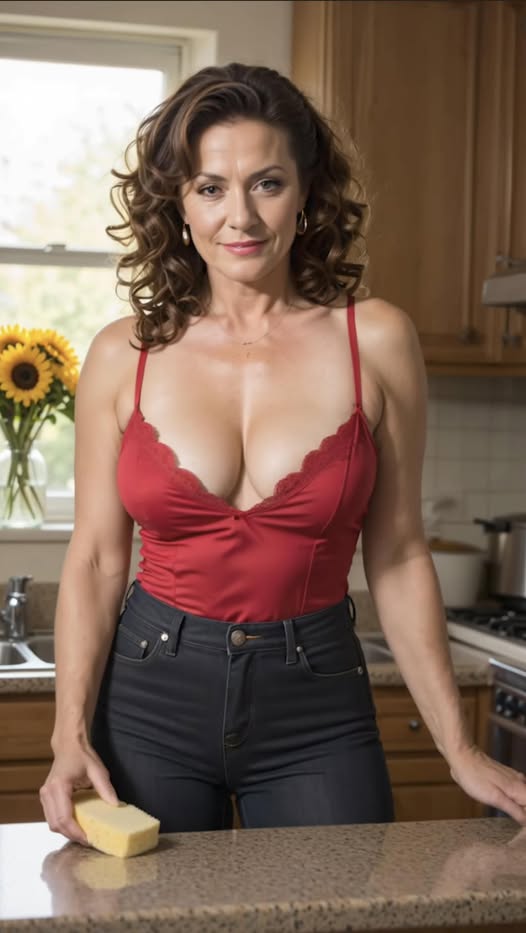
She taps the stack of 1oz sample cups he’s using for mead pours, raises one eyebrow, and says those are two ounces under the required size for alcohol sampling. He sighs, already reaching for his wallet, already mentally adding the fine to his monthly expenses. Instead of pulling out a ticket pad, she yanks a pack of 3oz compostable cups out of her canvas inspector’s bag, slides them across the table to him, and winks. “Don’t tell the other vendors I cut you a break. I don’t need 10 people crying to the county commissioner by the end of the day.” Their fingers brush when he grabs the pack, and he feels a sharp, warm jolt up his arm, the kind he hasn’t felt since he was 17 sneaking dates to the drive-in in Miami. He’s torn immediately: half of him wants to ask her to get a beer after the market, the other half screams that this is a bad idea, that she’s 14 years younger, that the whole town will be gossiping about the reclusive divorced beekeeper hitting on the feared health inspector by sundown, that he’ll just end up betrayed and alone again like he was six years prior, when his ex-wife left him for his former honey business partner.
He offers her a free quart of his spring wildflower honey, says it’s the smoothest batch he’s made all year, and she takes it, her thumb brushing over his knuckles when she wraps her hand around the cool glass jar. She asks if he’s free after close, says she has a blackberry mead batch stuck mid-fermentation at her cabin, she’s tried every trick she can find online and wants a professional’s input. He hesitates for three full seconds, every self-protective warning running through his head, then nods. He packs up his stall faster than he ever has, tossing coolers of mead and the observation hive into the bed of his beat-up 2008 F150, and drives the 10 minutes out to the abandoned cider mill she told him to meet her at, his hands sweating on the steering wheel the whole way.
She’s sitting on the tailgate of her rusted Toyota Tacoma when he pulls up, holding a mason jar half full of cloudy purple mead, a crumpled bag of cheese puffs next to her, fireflies just starting to blink in the oak trees surrounding the mill. He sits down next to her, their shoulders pressed tight together because the tailgate isn’t wide enough for two adults, and she hands him the jar. He takes a sip, tastes bright blackberry, a hint of clove, and tells her she just needs to stir in a quarter cup of orange blossom honey to kickstart the yeast again, that her batch got too cold during the random mid-June cold snap. She leans in to thank him, their faces only a few inches apart, he can feel her warm breath on his cheek, and she kisses him, slow and soft, tasting like blackberry mead and the cherry lollipop she’d been sucking on earlier. He doesn’t overthink it, just kisses her back, one hand resting light on her hip, the other holding the mason jar steady so he doesn’t spill purple sticky mead all over both their jeans.
They sit there until the sun is fully below the mountain, crickets chirping loud around them, talking about bee swarms, bad home brew batches, the absurdity of small town gossip, and he realizes he hasn’t talked this much to anyone who wasn’t a stranger on a beekeeping forum in years. He drives her back to her truck parked at the empty market, they exchange numbers, and he heads home, the windows rolled down, cool mountain air blowing through his curly hair. The next morning, he’s out checking his hives, his work boots caked in clover pollen, when his phone buzzes in his work pants pocket. He pulls it out, sees a text from her: a photo of her kitchen counter, the quart of wildflower honey sitting next to her dented stainless steel fermentation bucket, caption reading “already added the orange blossom. Wanna come over next weekend to taste how it turns out?” He types back a quick, enthusiastic reply, grinning so wide his cheeks hurt, as a fuzzy worker bee lands light on the back of his hand.