He turns to slip through the crowd when his elbow connects with something solid, and a sharp yelp makes him freeze. A glass jar of pickled ramps tilts in a woman’s grip, and he reaches out to steady it on instinct, his calloused fingertips brushing over hers for half a beat. She catches the jar before any brine can slosh over the rim, and she smirks up at him, her hazel eyes crinkling at the corners. She’s wearing faded denim overalls over a thin white tank top, a streak of garden dirt smudged on her left cheek, and she smells like lavender hand soap and cut pine, the scent wrapping around him sharp and sweet over the smell of grilled hot dogs and burnt marshmallows from the fire pit. “Easy there, typewriter guy,” she says, and Ray blinks, surprised she knows who he is. “I’ve been entering the cake walk for three years to win those ramps. Don’t go sending them to the asphalt before I even get to pair them with brie.”
He remembers her then. Mara, 49, runs the community garden two blocks over, dropped off a dented 1930s Remington at his shop two months prior, said it belonged to her late husband. He’d grunted a greeting, taken the machine, quoted her a price, and hadn’t said another word the whole time she was there, too focused on the stuck shift key he’d been picking at for an hour before she walked in. He feels his neck heat up, and he mumbles an apology, already planning to turn and leave again before he makes a bigger fool of himself. But she leans against the splintered picnic table next to him, her shoulder pressing an inch away from his flannel sleeve, and asks him how the Remington’s coming along.
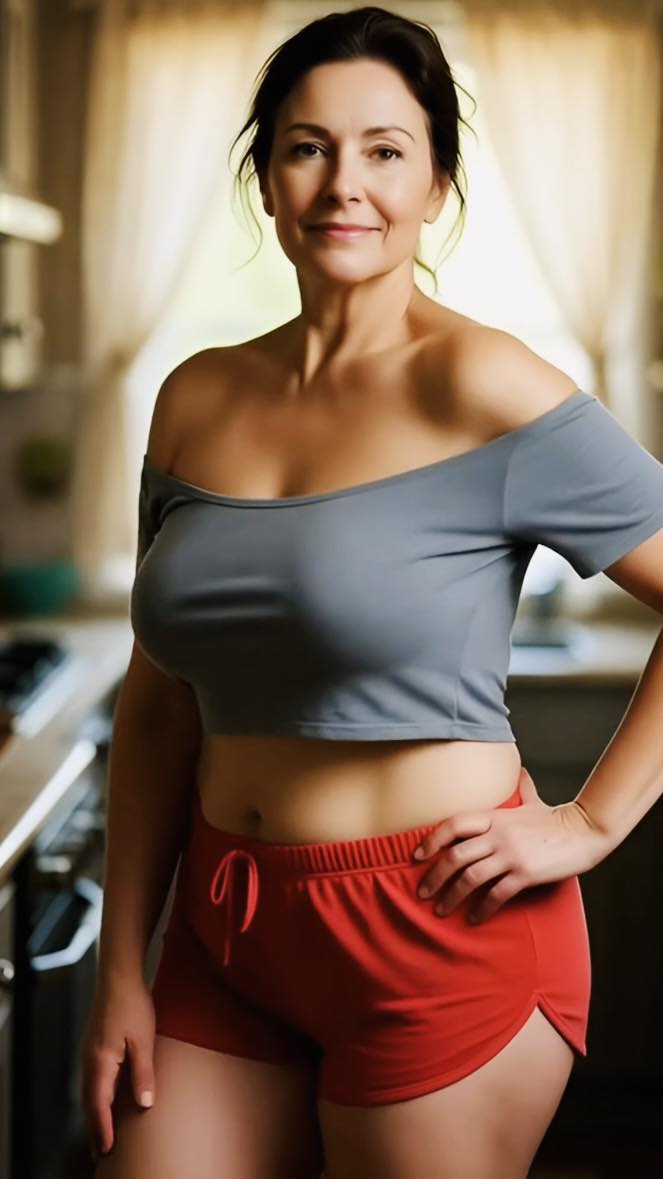
When the sun dips below the rooflines, the string lights strung between the oak trees flicker on, casting gold over the remaining crowd. Most families have left, the beer tent is packing up, and Mara tilts her head up at him, her knee brushing his as she shifts her weight. “I’ve got a bottle of 10-year rye in the back of my truck,” she says, her voice lower than it was before, her gaze never leaving his. “And that brie I mentioned, in my fridge. You wanna come over? I’d love to hear more about how you fix stuck shift keys without breaking the whole machine.”
Ray’s first instinct is to say no. He’s gotten so used to his quiet routine, the same frozen dinner every night, the same old jazz playing on his record player while he works, the idea of being in someone else’s house, letting someone see that messy, lonely part of him he’s locked away for years, makes his chest tight with a weird mix of disgust at his own cowardice and sharp, burning want. But then she reaches up, brushes a fleck of hop dust off his jaw, her thumb lingering against his skin for half a second, and the resistance melts. He nods.
She leads him to her beat-up silver pickup, opens the passenger door for him, and he tucks the jar of pickled ramps under his arm carefully as he climbs in. The breeze coming through the open window smells like jasmine from the bushes lining the street, and she turns the key, the radio cutting on to an old Willie Nelson track he hasn’t heard since he was a kid. He rests his arm on the window ledge, and when she reaches over to adjust the volume, her hand rests on his forearm for a beat before she pulls away. He doesn’t flinch.