Ronan O’Malley, 62, retired vintage camper restorer, had spent the last eight years treating social outings like mandatory fire drills: show up, do the bare minimum, get out as fast as possible without causing a scene. He’d only agreed to enter his fully restored 1972 International Scout in the small mountain town’s harvest festival car show because his 16-year-old granddaughter had begged, big brown eyes welling when she said she’d spent three weeks polishing the chrome bumper for him. He’d shown up an hour early, parked the Scout at the edge of the show line, grabbed a spiced cider from the first booth he saw, and planned to hide against the driver’s side door until the awards were handed out.
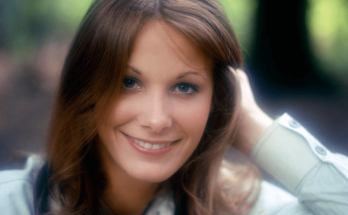
The first sign of trouble was the smell: warm peaches and cinnamon, thick enough to cut with a pocketknife, cutting through the sharp tang of exhaust and fried funnel cakes. He looked up just in time to see the woman running the peach cider booth next to the show line lurch forward, a full plastic pitcher slipping out of her grip as a kid on a scooter zoomed past her feet. Her shoulder slammed into his sternum hard enough to make him snort into his cider, cold peach nectar splattering across the front of both their worn flannel shirts, and she grabbed his forearm to steady herself, short, unpolished nails digging gently into the muscle under his sleeve. She was laughing so hard she snort-laughed, free hand pressed to her chest as she gasped out apologies, hazel eyes crinkled at the corners, a strand of silver-flecked auburn hair stuck to her sweat-shiny forehead.

Ronan froze. He hadn’t been touched by anyone who wasn’t his granddaughter or his sister in eight years, not since his wife Ellie had died of breast cancer. The logical part of his brain screamed that he should step back, mumble that it was fine, go back to ignoring everyone around him. The louder, dumber part of his brain was stuck on the way her knuckles brushed his chest when she dabbed at the cider stain on his shirt with a crumpled paper napkin, the way her wrist smelled like peach skin and lavender hand cream, the way she didn’t pull away when he shifted to keep her from tripping over a loose cinder block at her feet.
He learned her name was Clara, 57, widowed three years, retired elementary school art teacher, moved to the town six months prior to live close to her twin grandkids. She’d had a Scout just like his back in the 90s, she said, leaning in so her shoulder brushed his every time a festival attendee squeezed past the narrow path between the booth and the car show line, had taken it all the way to Banff with her late husband when they were first married. She asked him about the camper restorations he mentioned in passing, leaning in further when he talked about stripping the paint off a 1968 Airstream he was working on now, asking follow-up questions that weren’t just polite small talk, like how he matched the original vintage laminate for the countertops.
The conflict coiled tight in his chest the whole time they talked, sharp and warm all at once. Grief had felt like a heavy coat he’d worn every day for eight years, and he’d convinced himself taking it off would be a betrayal, that enjoying anything that didn’t circle back to Ellie meant he was forgetting her. But talking to Clara didn’t feel like forgetting. It felt like unbuttoning the top button of that coat, getting a breath of fresh air for the first time in longer than he could remember.
The car show announcer called his name for first place in the classic truck category right as the sun started to dip low over the Blue Ridge Mountains, painting the sky pink and tangerine. His granddaughter came sprinting over, screaming so loud the people two booths over turned to look, hugged him so tight his ribs ached, then took off again to chase her friend to the cotton candy stand. Clara whooped, clapping her hands, and before either of them could think better of it, she leaned up and kissed him on the cheek, her lips warm, tasting faintly of peach cider when the corner of her mouth brushed the edge of his.
Ronan didn’t pull away. He didn’t overthink it. He asked her if she wanted to take a ride up to the overlook after the festival shut down, watch the sun set over the valley, said he had a cooler of hard cider in the back of the Scout if she was interested. She grinned, pulled a Sharpie out of her apron pocket, scrawled her phone number across the side of an empty paper cider cup, and pressed it into his palm, her fingers lingering against his for three full heartbeats.
He tucked the cup into the pocket of his flannel, sticky with peach juice and sweat, and watched her walk back to her booth to help a group of kids order cider, braid swinging against her back as she laughed at something one of them said.