Leonard Fields had spent most of his adult life listening. As a retired pilot in his early sixties, he understood the power of observation better than most men. Cockpits didn’t respond to loud voices or brash decisions—they responded to calm, decisive control. Outside of flying, he’d realized, the same principle applied to people, though few seemed to notice.
He saw her across the room at the annual art gallery opening. Not the center of attention, but unmistakable in her presence. Evelyn Harper. Mid-sixties, tall, with hair the color of smoked silver, dressed in a deep emerald dress that suggested refinement without effort. She didn’t sweep through the crowd, didn’t demand eyes follow her. She simply existed, poised, at ease, and entirely herself.
Leonard was drawn immediately—not because of her appearance alone, though she was striking—but because of the way she moved. Every step measured. Every gesture deliberate. When she lifted her wine glass, she did so without haste, allowing the light to catch the crystal, catching a glance or two of admiration along the way without seeking it. Her eyes scanned the room, calm but precise, as if evaluating the world, not submitting to it.
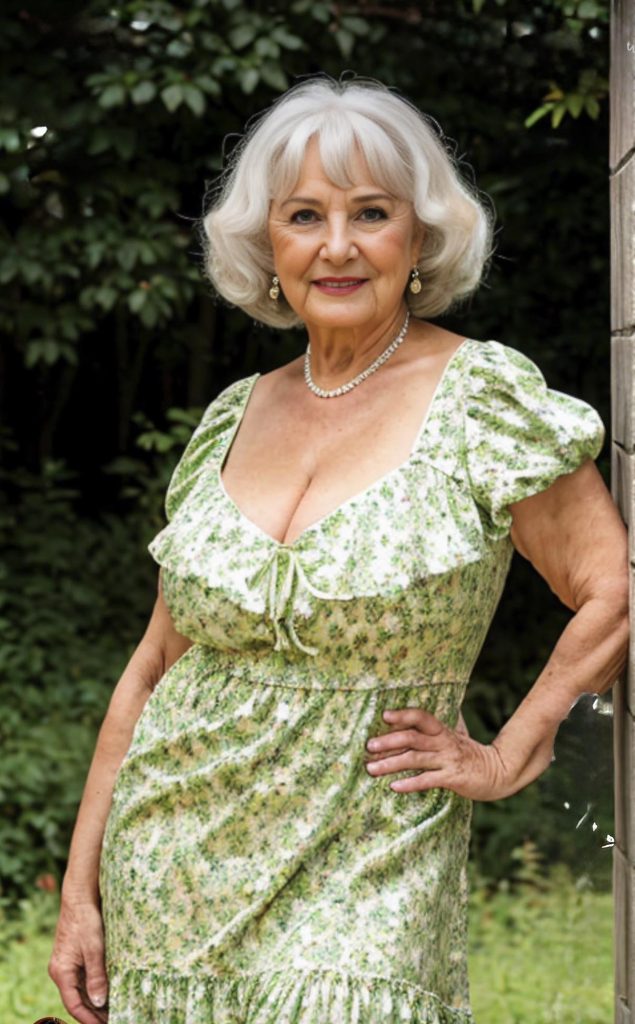
When he approached, Leonard felt a subtle shift in the air, as though her space was extended, inviting but not needy. She tilted her head slightly, offering a smile that didn’t require reciprocation to exist—it simply existed, a statement of ease and assurance.
“You enjoy abstract pieces?” Leonard asked, nodding toward a painting that swirled in muted blues and golds.
“I do,” she said. Her voice was soft, yet carried the weight of someone who rarely wasted sound. “They remind me that there’s order beneath chaos. You can feel it if you look closely enough.”
Leonard noticed the way she didn’t lean forward or insist her point be heard. Instead, she let the conversation breathe, her posture relaxed but attentive, her hands lightly folded in front of her. When she laughed, it was controlled, yet warm—an acknowledgment rather than a performance. Every motion was intentional, speaking more than words ever could.
Throughout the evening, he observed her in subtle ways that most men missed. How she allowed the pianist’s music to flow without interruption, how she engaged with strangers only when she chose to, how her glance lingered just a fraction longer on someone she deemed interesting. Her confidence wasn’t loud; it didn’t announce itself. It simply radiated, commanding attention because it didn’t seek it.
By the time the gallery closed, Leonard found himself walking alongside her, the city streets quiet under streetlamps. She spoke with ease, every word measured, every pause meaningful.
“You notice things most people overlook,” she said, as if reading his thoughts. “Like how silence can carry more than noise.”
“I’ve had practice,” he replied.
Her smile deepened, approving but not indulgent. Leonard understood then why her presence had seemed so magnetic. It wasn’t charm. It wasn’t beauty alone. It was the unspoken certainty that she moved through life deliberately, that she knew her worth, that she required no validation from the world.
And that—more than anything else—spoke volumes.