By sixty-six, Eleanor Finch no longer confused romance with fulfillment. She had lived enough life to know the difference. A retired urban planner from Portland, Eleanor had spent decades balancing public needs with private compromises, smoothing conflict without erasing herself. Love, she’d learned, wasn’t rare. What was rare was being met without having to negotiate for it.
After her second divorce, friends assumed she’d given up on closeness. Eleanor didn’t correct them. She enjoyed the quiet. The predictability. What she didn’t enjoy was being misunderstood.
She met Mark Sullivan at a regional transit forum, of all places. Mark was sixty-one, a former infrastructure consultant with a dry sense of humor and the posture of a man who had spent years leaning over blueprints. He wasn’t charming in the obvious ways. He didn’t flirt. He didn’t rush. When Eleanor spoke, he didn’t interrupt or steer the conversation back to himself.
That caught her attention immediately.
They shared coffee during a break, standing near a window overlooking the river. Eleanor noticed how Mark angled his body toward her without crowding. How he waited an extra beat before responding, as if checking whether she was finished—not just with her sentence, but with the thought behind it.
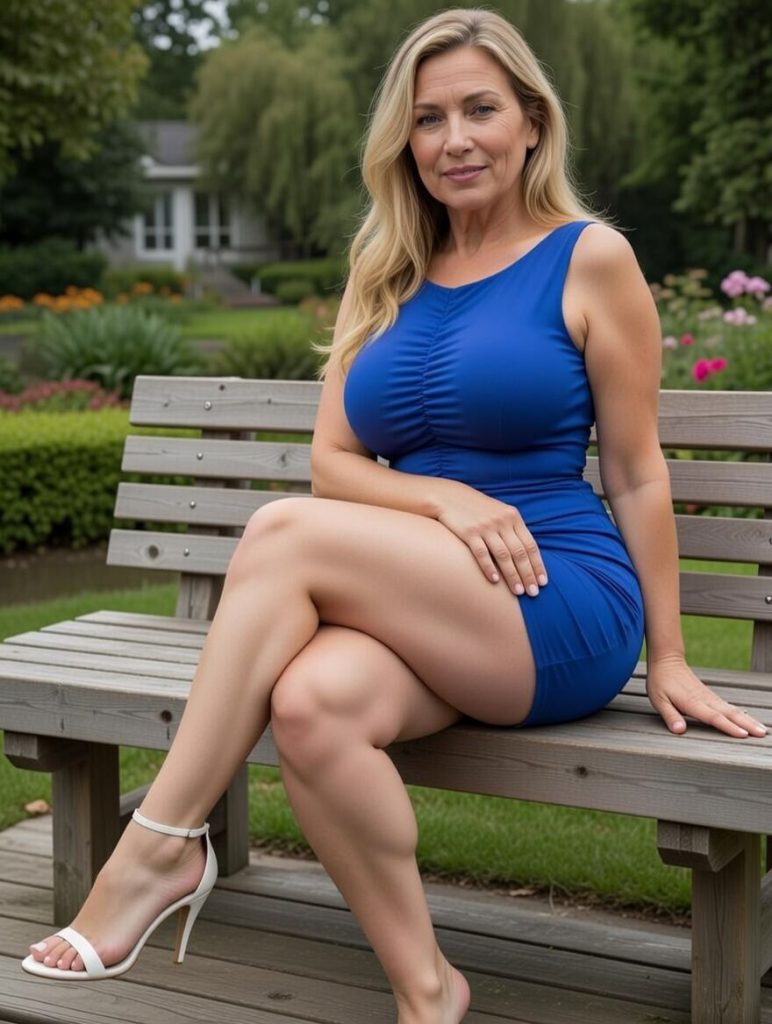
Romance would have been easy to recognize. Compliments. Invitations. A familiar rhythm.
This was different.
Weeks later, they met again, this time by choice. Dinner at a quiet restaurant where the lighting was forgiving and the conversation unhurried. Eleanor spoke about her work, the parts she missed and the parts she didn’t. She spoke about aging—not cautiously, not jokingly. Honestly.
Mark listened. He didn’t reassure her. He didn’t try to fix the discomfort. He stayed present while she sat in it.
Eleanor felt the shift in her body immediately. Not excitement. Relief.
Older women, she knew, didn’t crave romance the way movies sold it. They craved recognition. The kind that didn’t flatten complexity or rush intimacy into something easier to digest. They wanted to be seen whole—desire, doubt, confidence, weariness and all—without being asked to soften any of it.
At one point, Mark reached for his glass and their fingers brushed. Eleanor didn’t pull back. She didn’t lean in either. She stayed still, letting the contact register. Mark did the same. The moment held because neither of them tried to use it.
“That,” Eleanor said quietly, surprising herself, “is rare.”
“What is?” Mark asked.
“Being with someone who doesn’t need me to be lighter,” she replied. “Or simpler.”
Mark nodded slowly. “I don’t think you are.”
The words weren’t romantic. They were accurate. That mattered more.
Later, walking to her car, Eleanor realized how calm she felt. No fluttering anticipation. No uncertainty about where she stood. Just the grounded sense of being understood without explanation.
Romance could be intoxicating. She hadn’t forgotten that.
But what older women craved more—what Eleanor craved—was resonance. The quiet alignment that happened when someone didn’t just want her presence, but respected her depth. When connection didn’t feel like performance, but permission.
As she drove home, Eleanor smiled to herself.
She hadn’t fallen for Mark.
She had felt met.
And at her age, that was far more powerful than romance ever had been.