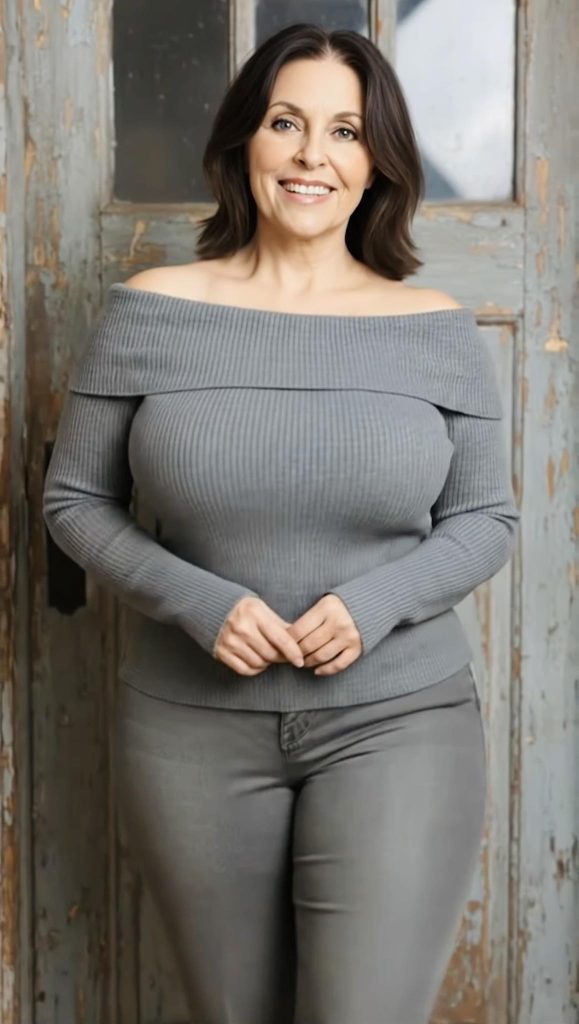
Margaret Holloway had spent decades choosing safety. At sixty-one, she wore it like a well-tailored coat—comfortable, reliable, expected. A former HR director at a regional manufacturing firm, she lived alone in a quiet condo overlooking a man-made lake, the kind with walking paths and benches labeled with donors’ names. Nothing surprised her there. That had once been the point.
Then she met Russell Keane at a weekend sailing class she hadn’t planned to take.
He was fifty-six, a freelance photographer between contracts, with windburned skin and a habit of watching before speaking. He didn’t flirt. He didn’t crowd. When the instructor barked orders, Russell adjusted the lines with calm precision and offered Margaret a quick glance, checking in. She appreciated that more than compliments. Safety, she knew, was easy to find. What was rare was feeling seen without being managed.
They talked during breaks—about adult children who called less often than they should, about work that used to define them and no longer did. Russell listened the way men used to listen before they learned to sell themselves. When the boat tilted unexpectedly and Margaret reached for balance, his hand caught her elbow. Firm. Steady. He released it immediately, but the awareness stayed with her, humming under her skin.
The cost appeared quietly, as it always did. Safety meant predictability. It meant dinners alone, mornings without disruption, emotions folded neatly away. It meant not needing anyone—and not being needed in return. Desire, on the other hand, was messy. It asked questions. It leaned in.
After class, they walked along the dock as the sun dropped low, turning the water copper. Russell mentioned an exhibit he was installing downtown—portraits of people who’d changed their lives after fifty. “It scares some people,” he said, half-smiling. “Makes them uncomfortable.”
Margaret understood that reaction well. She felt it now, rising alongside something else. When he stopped walking and turned to face her, she noticed the lines at the corners of his eyes, the way his attention didn’t waver. His hand lifted, hovering near her arm, waiting. Not assuming.
She thought of safety again—how it had protected her, and how it had confined her. She thought of how long it had been since anyone had looked at her as if she were still becoming.
“Show me the exhibit,” she said.
Later, standing close in the quiet gallery, their shoulders touched. The contact was deliberate, unhurried. Margaret felt a familiar caution stir—and let it pass. What she wanted now wasn’t protection from risk. It was the thrill of choosing something that made her feel present, awake, undeniably alive.
Older women, she knew, wanted more than safety. They wanted connection that respected their history and invited their courage. And as Russell’s fingers brushed lightly against hers, she chose that instead.