Some television stars are remembered for a season. A few are remembered for a decade. Lynda Carter belongs to the smaller group whose image never really left American pop culture. For many men who grew up watching television in the 1970s, her face still brings back the same feeling: glamour, strength, beauty, and a kind of confidence that belonged to another era.
The color photo above shows why Carter still catches attention. It is not only the smile or the hair, though both are hard to miss. It is the easy confidence. She looks relaxed, polished, and completely aware of the camera without seeming cold. That same quality helped make her famous long before modern superhero movies turned comic-book characters into billion-dollar franchises.
Lynda Jean Carter was born on July 24, 1951, in Phoenix, Arizona. Before Hollywood made her a household name, she was already used to performing. Music came early in her life, and pageants brought her national attention. In 1972, she won Miss World USA, representing Arizona. That title gave her visibility, but it was not enough by itself to create a lasting career. What made Carter different was the way she carried herself on screen.
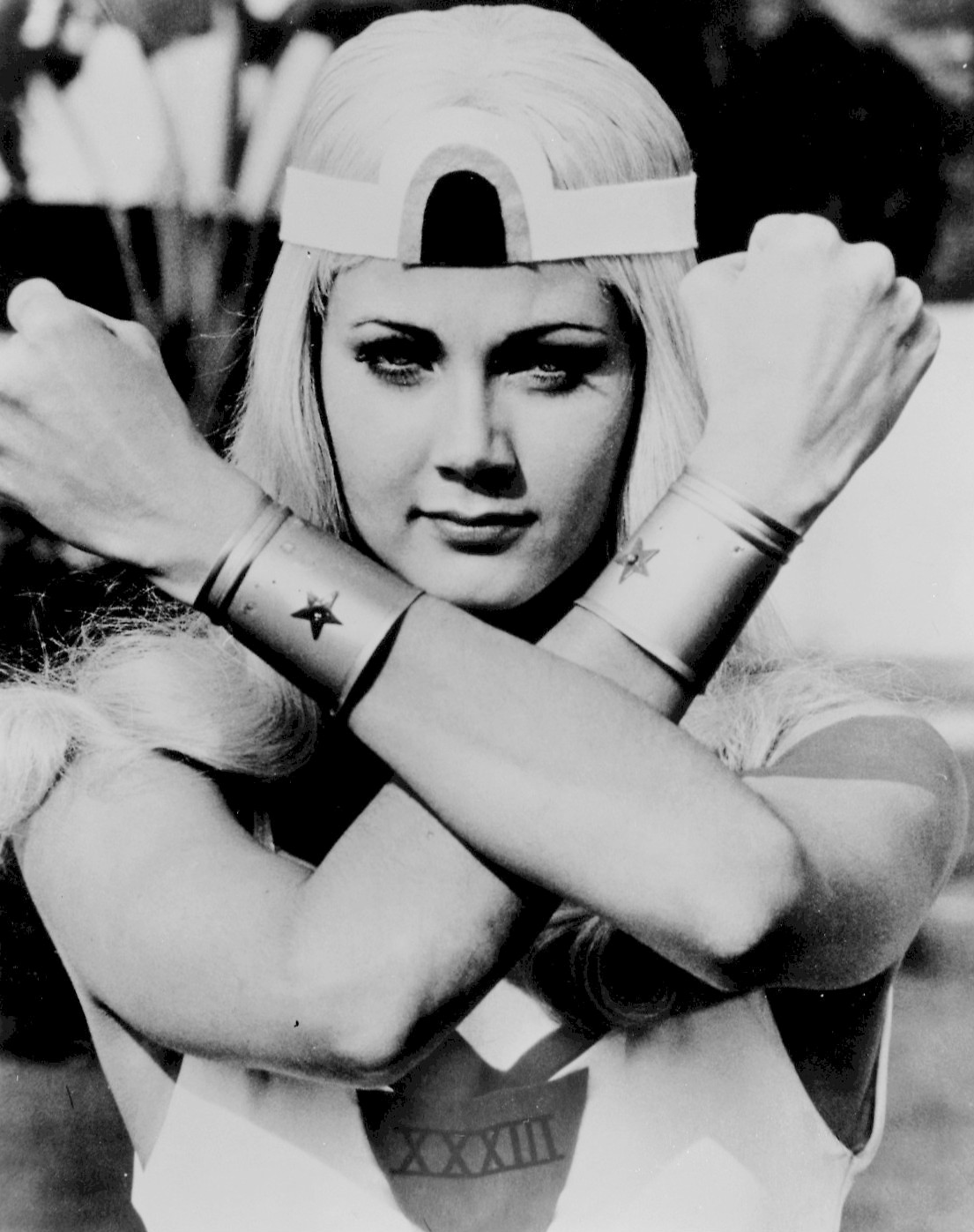
In 1975, Carter became Diana Prince and Wonder Woman in the live-action television series that would define her career. The show ran from 1975 to 1979, and for millions of viewers, Carter became the face of the character. The classic publicity image above captures one of the poses fans still remember: the crossed bracelets, the steady eyes, and the serious expression of a woman ready to step into danger.
The role could have easily looked silly in the wrong hands. Carter made it work because she played Wonder Woman with warmth. She was strong, but not harsh. Glamorous, but not empty. Kind, but never weak. That balance mattered. Men noticed the beauty, of course, but families also believed the hero. She made Wonder Woman feel noble without making her feel distant.
That is why her version of the character stayed in people’s minds long after the original run ended. The costume was iconic, but Carter’s performance gave it life. She had a natural screen presence that could hold a close-up. She could smile and soften a scene, then turn serious and make the whole room feel different.
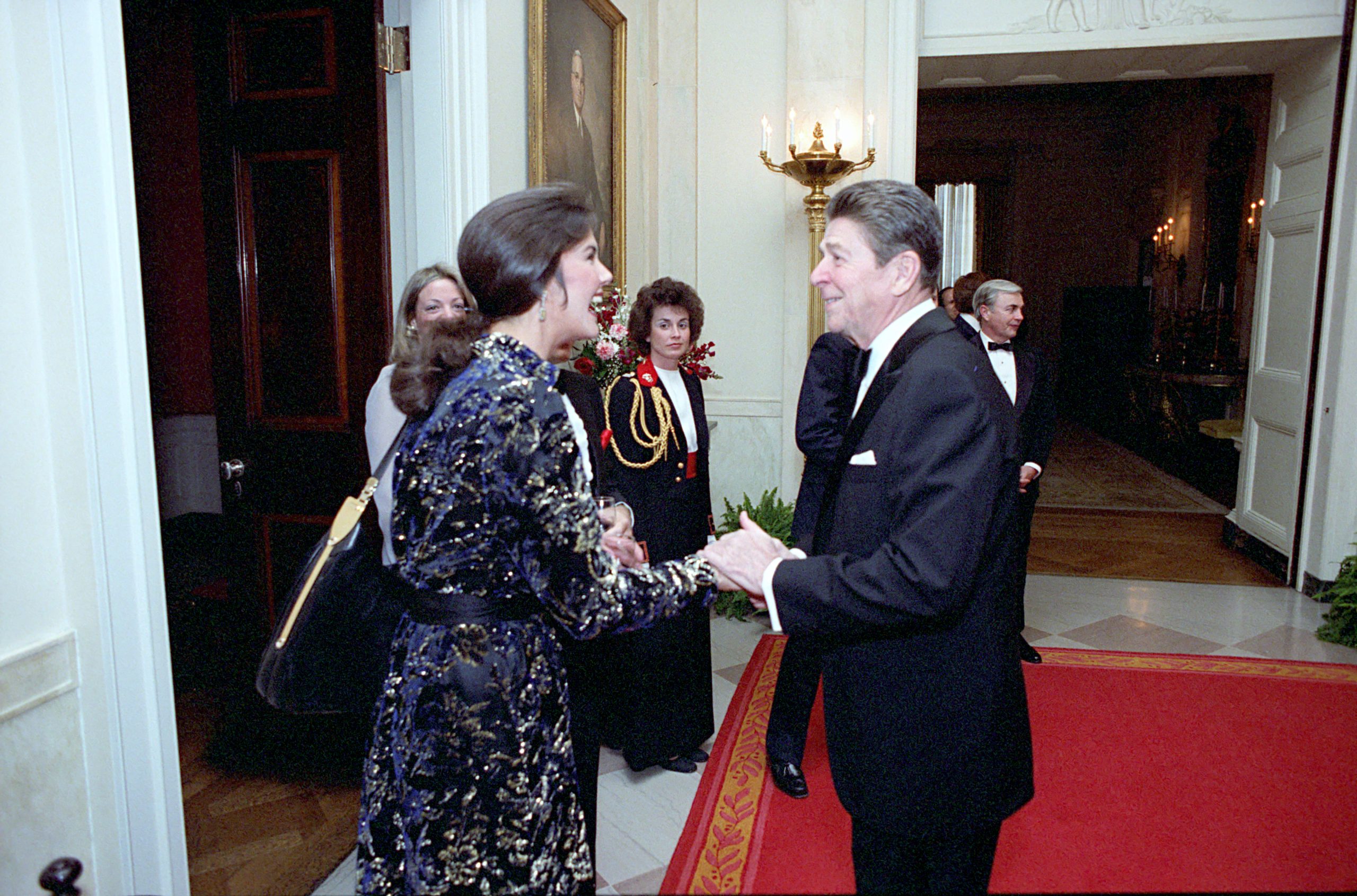
By the early 1980s, Carter was more than just a television actress. The photo above, showing her greeting President Ronald Reagan in 1981, is a reminder of how visible she had become. Television stars then occupied a different kind of public space. Millions of people watched the same shows, talked about the same characters, and recognized the same faces. Carter was one of those faces.
After Wonder Woman, she kept working in entertainment, but she also returned often to music. Singing was never a side note for her. Her official biography highlights her work as a performer and concert artist, including live shows before devoted audiences. That part of her career helped her avoid being trapped completely inside one role. Wonder Woman made her famous, but music gave her another way to speak for herself.
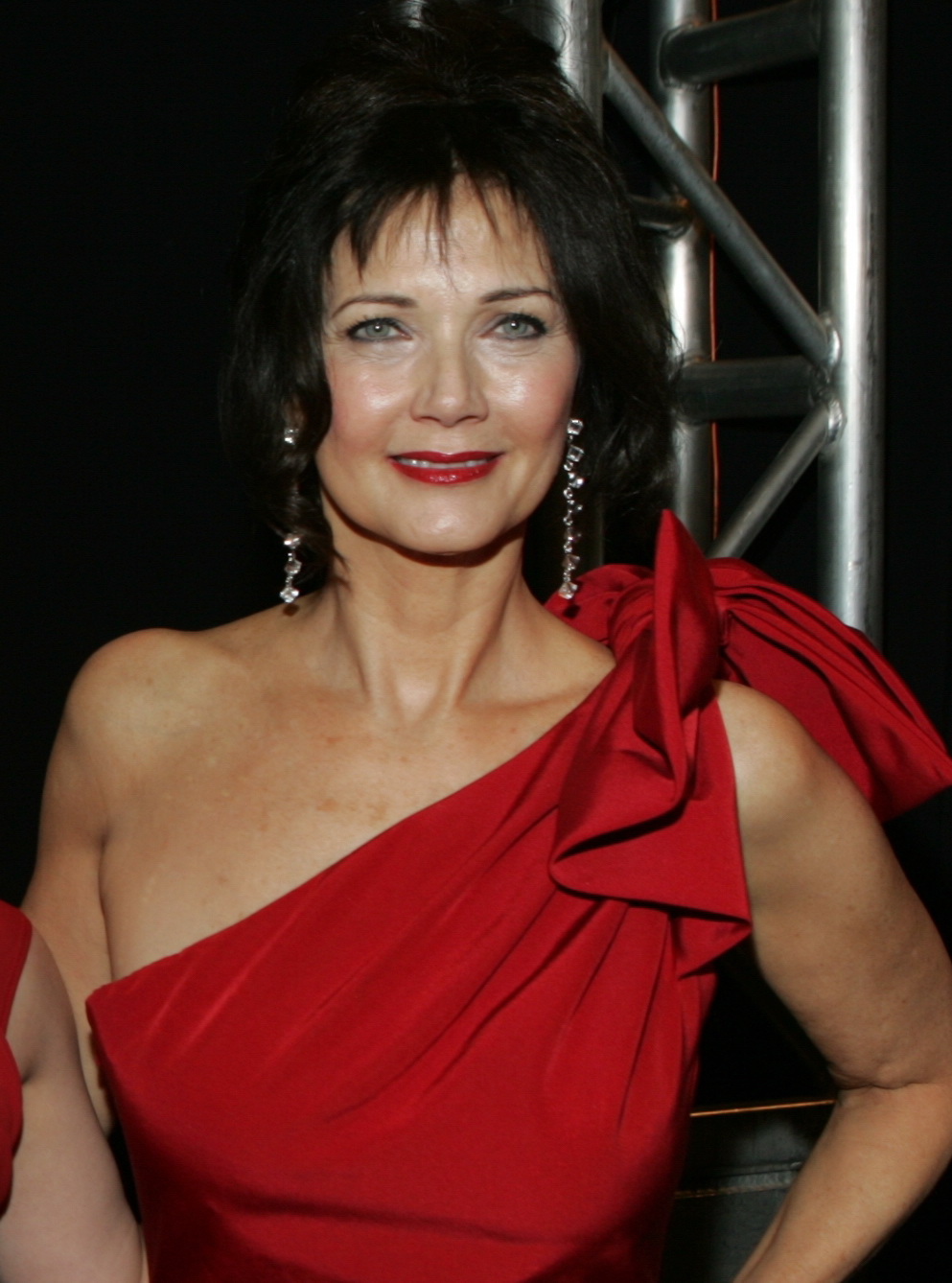
The later red-dress image shows something else fans have always responded to: Carter aged in public with grace. She still understood presentation. She still knew how to look into a camera. There is a reason photos of her continue to circulate online. They are not only about nostalgia for a costume. They are about a woman who represented a certain kind of classic Hollywood beauty, one that felt elegant, womanly, and self-possessed.
Carter has also remained active beyond acting and music. Her official site notes her support for nonprofit work, including medical research efforts and the Smithsonian American Women’s History Museum. That public work adds another layer to her image. She is remembered for glamour, but she has also used her name for causes outside the spotlight.
For older fans, the memories are very specific. They remember the transformation, the bracelets, the theme, the red boots, and the way Carter made the character feel heroic without embarrassment. They remember watching her when television was a shared evening ritual, not something scattered across a hundred apps. One photo can bring all of that back.
That is why Lynda Carter still matters in classic TV memory. She was not simply a beautiful woman in a famous costume. She helped define what a television heroine could look like for an entire generation. She had glamour, but also sincerity. She had presence, but also warmth. Those qualities are harder to fake than people think.
So when someone asks, “Do you still remember Lynda Carter?” the answer for many fans comes quickly. They remember the role, the face, and the feeling of seeing Wonder Woman step onto the screen. More than fifty years after her rise to national attention, Carter remains one of the women who made 1970s television unforgettable.
Sources
- Official Lynda Carter biography: https://www.lyndacarter.com/about/
- Britannica Lynda Carter biography: https://www.britannica.com/biography/Lynda-Carter
- Britannica Wonder Woman overview: https://www.britannica.com/topic/Wonder-Woman
- PBS Pioneers of Television profile: https://www.pbs.org/wnet/pioneers-of-television/pioneering-people/lynda-carter/
- Wikimedia Commons image pages: Lynda_Carter2.jpg, Lynda_Carter.jpg, Wonder_Woman_Lynda_Carter.JPG, President Ronald Reagan greeting Lynda Carter.jpg