Elias Voss, 53, has been making custom work boots for Montana ranchers, loggers, and road crews out of his cinder block shop on Main Street for 22 years. His biggest flaw, the one his late best friend used to rib him for until the day he died, is that he’d rather saw off his own thumb than admit he needs anything from anyone. It’s a habit he picked up after his wife left him for a wind farm technician 8 years prior, when he decided self-sufficiency was the only safety net worth having. That Tuesday, he’s perched on a splintered picnic table at the town’s weekly summer beer garden, flannel sleeves rolled to his elbows, a smudge of dark leather dye still stuck to the edge of his jaw, calloused fingers wrapped around a frosty IPA he’d been looking forward to since 6 a.m. that morning.
The only empty spot at the table is the bench across from him, so when Mara Hale walks over, sun gilding the ends of her chestnut hair, holding a cold wheat beer in one hand, he tenses up. Mara’s the city council member who just helped push through that commercial tax hike he’s been ranting about to every customer for two weeks, the one that’ll raise his shop’s dues by 28% if he can’t find a loophole fast. He almost tells her the spot’s taken, but there are three elderly couples staring at them from the next table, so he just grunts and jerks his chin in a nod. She sits, and her denim-clad knee brushes his under the table by accident. He flinches like he’s been burned. She laughs, low and warm, and apologizes, says she’s clumsy when she’s overheated. He mumbles that it’s fine, stares at the label on his beer can like it holds the secrets of the universe.
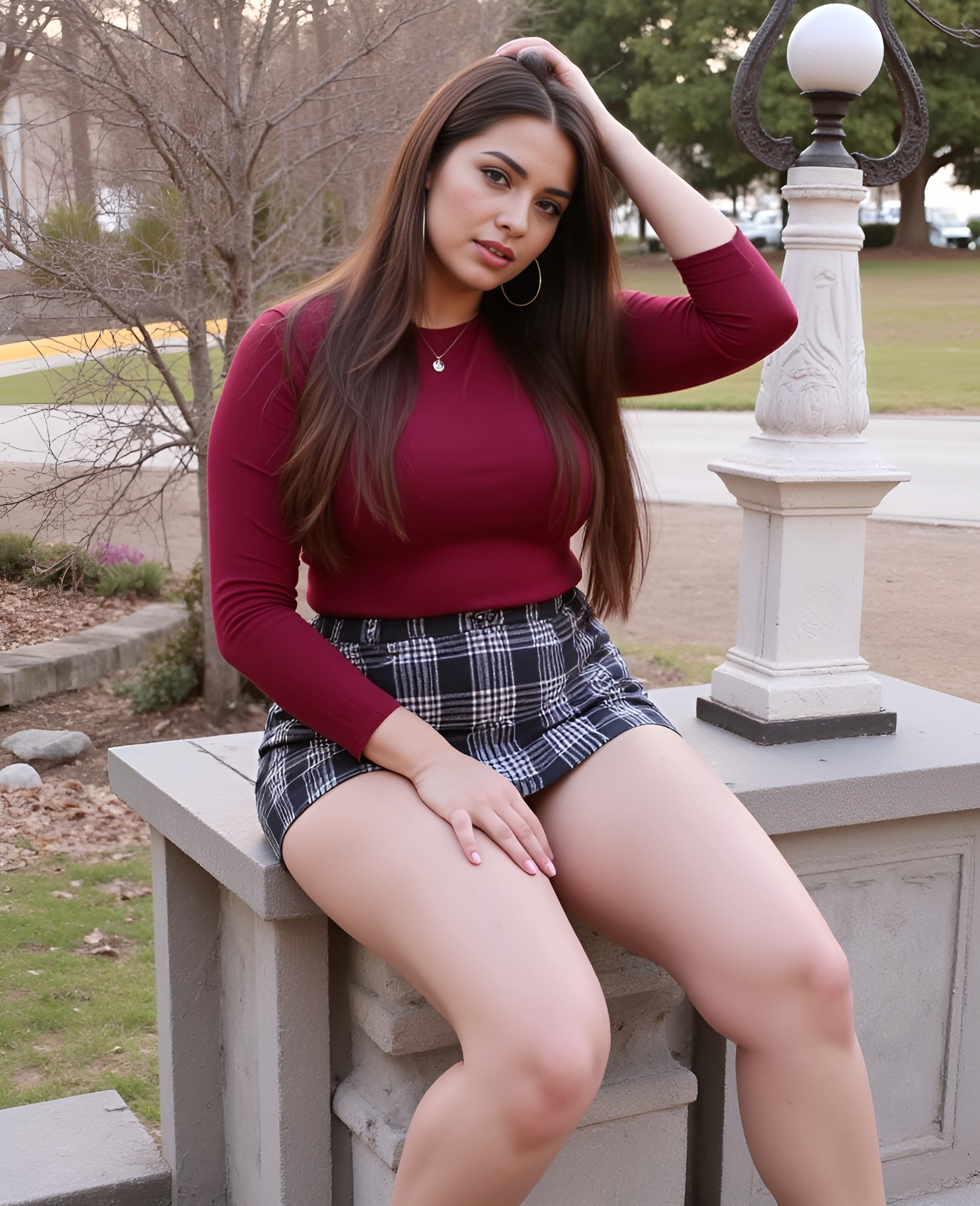
She smells like sandalwood and wild rose, not the cloying lavender perfume most of the women in town wear to these events. He glances up when she taps the table to get his attention, and she’s pointing at his jaw. “You’ve got dye there,” she says, leaning in before he can react, swiping the smudge off with the pad of her thumb. Her skin is warm, a little rough, and he freezes, his breath catching in his throat for half a second. She wipes the dye off on her jeans, grinning. “I recognize the stain. I’ve got three pairs of your boots, actually. Steel toe, for when I’m out crawling around construction sites inspecting road repairs. Best shoes I’ve ever owned.”
He blinks, taken aback. He’d only ever sold those pairs to the public works department, had no idea the councilwoman was the one wearing them. Before he can stop himself, he brings up the tax hike, his voice sharper than he intends it to be, says it’s gonna put him out of business before his golden retriever Mabel hits 18. She sighs, leans back against the bench, and runs a hand through her hair. She explains she fought for three months to add an exemption for small trade shops, that the other five council members outvoted her, that she’s been drafting a targeted grant program specifically for people like him to cover the extra cost, that she was planning to announce it next week but hasn’t told anyone yet. He feels like an idiot, all that anger he’s been carrying for weeks melting fast, replaced by something softer, warmer, that he hasn’t felt in years.
The band on the small stage starts playing a slow, fiddle-heavy cover of a Patsy Cline song, and couples start drifting onto the patch of grass they’re using as a dance floor. She tilts her head at him, raises an eyebrow. “You dance?” He snorts, says he hasn’t danced since his wedding, that he’s probably terrible at it now. She stands, holds out her hand, her nails chipped from tending to the heirloom tomato garden she’d mentioned 10 minutes prior. “That’s a damn shame. C’mon. I’ll lead, so you don’t step on my feet.” He hesitates for half a second, then takes her hand. Her palm fits in his like it was made to, rough in all the same places his is.
They dance close, not too close, his hand resting light on her waist, her other hand on his shoulder, their faces only a few inches apart. He can smell the citrus in her beer on her breath, hear the hum of crickets over the music, feel the warmth of her skin through the thin cotton of her t-shirt. She leans in, her lips almost brushing his ear, and says she’s been coming to the beer garden every week for a month just hoping he’d show up, that she didn’t want to walk into his shop unannounced because she knew he was mad about the tax. His chest tightens, so much he can barely breathe for a second. No one’s gone out of their way to see him like that since his wife left.
The song ends a minute later, and they walk back to the table, her hand still in his for a few beats before she lets go. She pulls a folded slip of paper out of her jacket pocket, hands it to him. Her cell number is scrawled on the front in messy blue ink, the back has a half-printed draft of the grant program, notes scribbled in the margins. “Call me tomorrow if you have questions about the grant,” she says, grinning, finishing the last sip of her beer. “Or if you just want to get dinner at that steak place on the west end. I heard their ribeyes are as good as the ones you grill in your shop’s parking lot every Saturday.” He tucks the paper into the inner pocket of his flannel, right next to the measuring tape he carries everywhere. He nods, smiling, the first real, unforced smile he’s had in months. She waves, walks to her beat-up pickup truck, and pulls out of the parking lot, honking once when she passes him. He pulls the slip of paper back out of his pocket, runs his thumb over the smudge of blue ink where she wrote her number, and takes a long, slow sip of his now warm IPA.