Eli Marquez, 59, a minor league baseball scout who’s logged 120,000 miles on his 2018 F-150 in the last two years, leaned against the tailgate of a retired fire department pickup and stared at the scuffed toes of his work boots. He’d only shown up to the small-town Ohio fire department charity cookout because the Single A affiliate he scouted for was a top sponsor, and his boss had texted him three times that morning to remind him to put in an appearance. He hated these things. The forced small talk, the plastic cups of cheap beer, the way every local mom and auntie side-eyed him like he was a stray dog they could foist a casserole and a single niece on. He’d been that guy ever since his wife, Marnie, died seven years prior, closed off so tight he barely let the kids he scouted get more than a ten minute conversation out of him, let alone a stranger.
The sun beat down on the back of his neck, warm enough to seep through the faded cotton of his team hat, when he caught the scent first: vanilla, ripe peach, the sharp, clean tang of lemony dish soap. He looked up, and Clara Bennett was standing three feet away, holding a crinkled foil pan in one hand, a smudge of flour high on her left forearm, sun streaks bleaching the front of her chestnut brown hair. She ran the pie shop on Main Street, the one with the neon “PEACH COBBLER” sign in the window that glowed pink at dusk. He’d avoided going in there for two years, ever since he’d seen her laughing behind the counter on his first trip through town, the knot in his stomach tight enough to hurt at the thought of liking anything that didn’t involve radar guns, scouting notebooks, and quiet motel rooms alone.
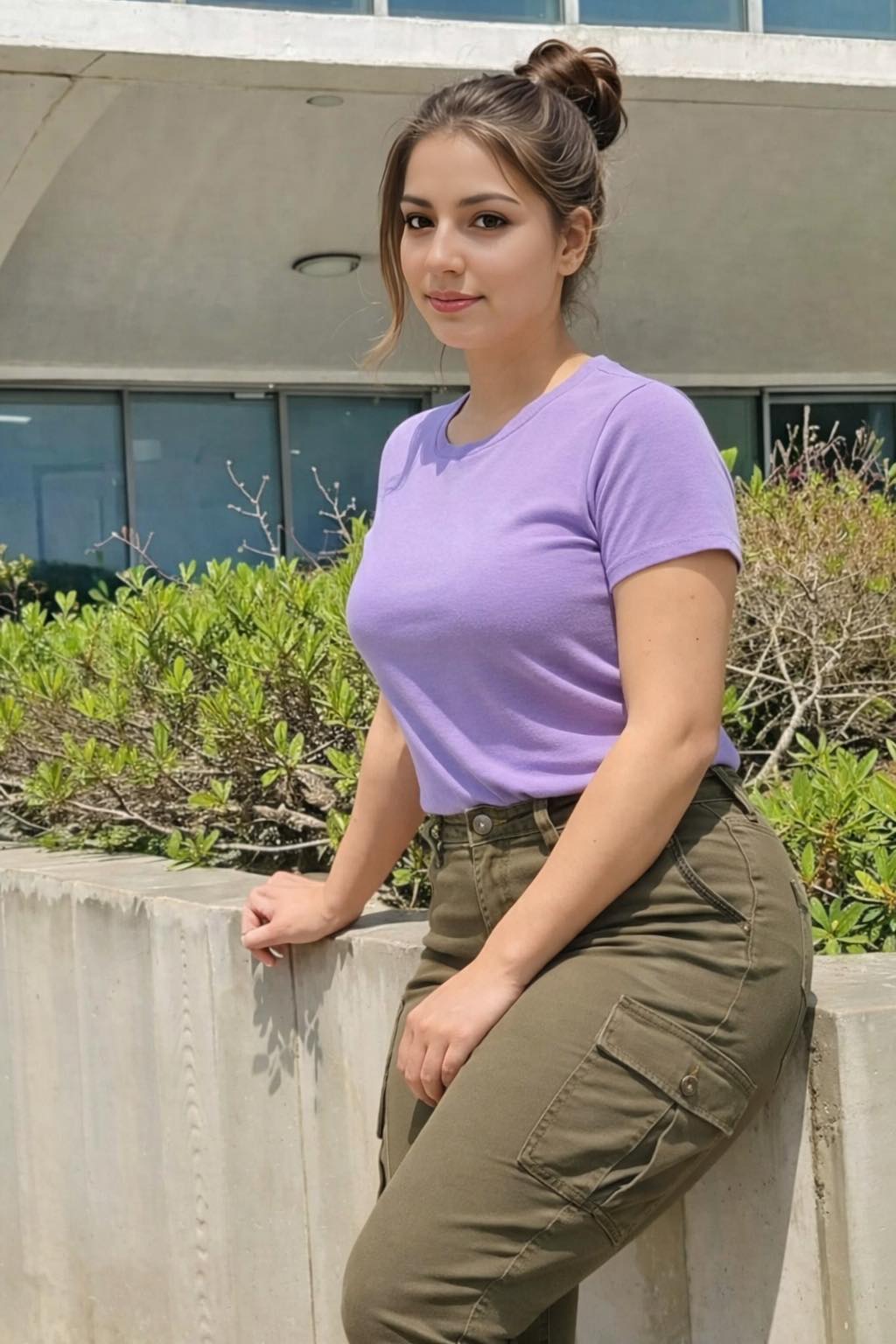
She stepped closer, close enough that her shoulder brushed his bicep when a group of teenaged kids ran past chasing a stray dog, and she didn’t step back. “Heard you’re the only person in this county who’s never tried my cobbler,” she said, holding out a paper plate stacked high with golden crust and oozing, syrupy fruit. Her nails were chipped, painted a soft coral, and when he hesitated, she wiggled the plate a little, the corner of her mouth tugging up in a teasing grin. “Don’t worry, I didn’t spit in it. Even if you have been avoiding my shop like it’s got a contagious case of food poisoning.”
Eli’s throat went dry. He’d spent seven years telling himself he didn’t get to want anything that didn’t tie back to Marnie or his job, that any spark of interest in someone new was a betrayal, stupid, a waste of time when he was on the road more than he was home. He stared at the cobbler, then at her eyes, dark brown, crinkled at the corners from smiling, and she held his gaze longer than casual, no awkward look away, no polite deflection. He reached out to take the plate, and her fingers brushed his, calloused too, from rolling out pie dough at 4 a.m. every day, and the jolt went all the way up his arm to the base of his skull.
He took a bite. It was good, not too sweet, the crust flaky, the peaches tangy enough to cut through the sugar. It tasted like the cobbler Marnie used to make every Fourth of July, but not the same, its own thing, better in a way he didn’t want to unpack right then. He nodded, and she laughed, a low, warm sound, and leaned against the pickup next to him, their sides pressed together so he could feel the heat of her through their thin cotton shirts.
They talked for forty minutes, no small talk. He told her about the 19-year-old left-hander he’d just signed out of a tiny holler in West Virginia, who threw 97 miles an hour and grew up picking tobacco to help his mom pay rent. She told him about moving to town three years prior after her divorce, how her sister was married to the fire chief and kept trying to set her up with every divorced cop and mechanic within a 20 mile radius, how she’d been working up the nerve to talk to him at these cookouts for two years, thought he hated everyone. Eli didn’t check his watch once, didn’t feel that tight, defensive knot in his chest he always got when he talked to someone new.
A sudden, sharp summer rain shower popped up out of nowhere, fat cold drops splattering the dirt at their feet, and Clara grabbed his wrist, her fingers wrapping around the scar he’d gotten from a broken baseball bat when he was 22, and pulled him under the awning of the fire station bay. She didn’t let go of his wrist when they stopped, just looked up at him, rain drops dotting the top of her hair, and he didn’t pull away. He asked her if she wanted to get pancakes at the diner down the road the next morning, before he drove out to scout a game in Charleston. She nodded, pulled a pen out of her jeans pocket, and wrote her number on the back of the scouting notebook page he’d stuffed in his shirt pocket, right next to his notes on that left-handed pitcher, her thumb brushing his knuckle when she handed the pen back.
The rain let up ten minutes later, the sun peeking out through the clouds to paint a faint rainbow over the tree line at the edge of the fairgrounds. Clara grabbed her empty foil pan, waved, and walked back to her beat-up minivan, and Eli stood there for a minute, holding the half-eaten plate of cobbler, watching her go. He pulled his phone out of his pocket, deleted the reminder he’d set to leave town at 6 a.m., and typed in her number, his thumb hovering over the save button for three seconds before he pressed it.