Milo Rojas, 59, has been selling raw honey at the Asheville farmers market every Saturday for eight years, ever since his wife, Lena, passed and left him her 42 hives scattered across the Blue Ridge foothills. He’s got a scar slashing across his left eyebrow from a run-in with a black bear two years back, calluses thick as leather on his knuckles from prying open hive boxes, and a rule he hasn’t broken once since Lena’s funeral: no unnecessary changes to the routine. He shows up at 7am sharp, stacks his jars in the same faded wooden crates, keeps Lena’s scrawled neon price signs taped to the edge of the table even when the marker bleeds and people squint to read them. The bluegrass band set up at the end of the row is plunking through a slow cover of *Folsom Prison Blues*, and the air smells like fried apple pies from the food truck three booths down, sweet and greasy.
It’s mid-August, the air so thick with humidity his shirt sticks to his back ten minutes after he sets up, and he’s just finished brushing off a retiree from Florida who complained his wildflower honey “tasted like dirt” when she walks up. He knows who she is, everyone in town does: Elara Voss, 52, the new head librarian who fought the city council tooth and nail three months prior when they tried to yank every romance novel and memoir about queer identity off the shelves, called them out at a public meeting for “acting like scared toddlers” and won. Half the old guys at the diner call her a troublemaker, the other half stare at her chest when she walks in. Milo had written her off as too loud, too much, the kind of person who’d blow a hole straight through the quiet, predictable little life he’d built for himself.
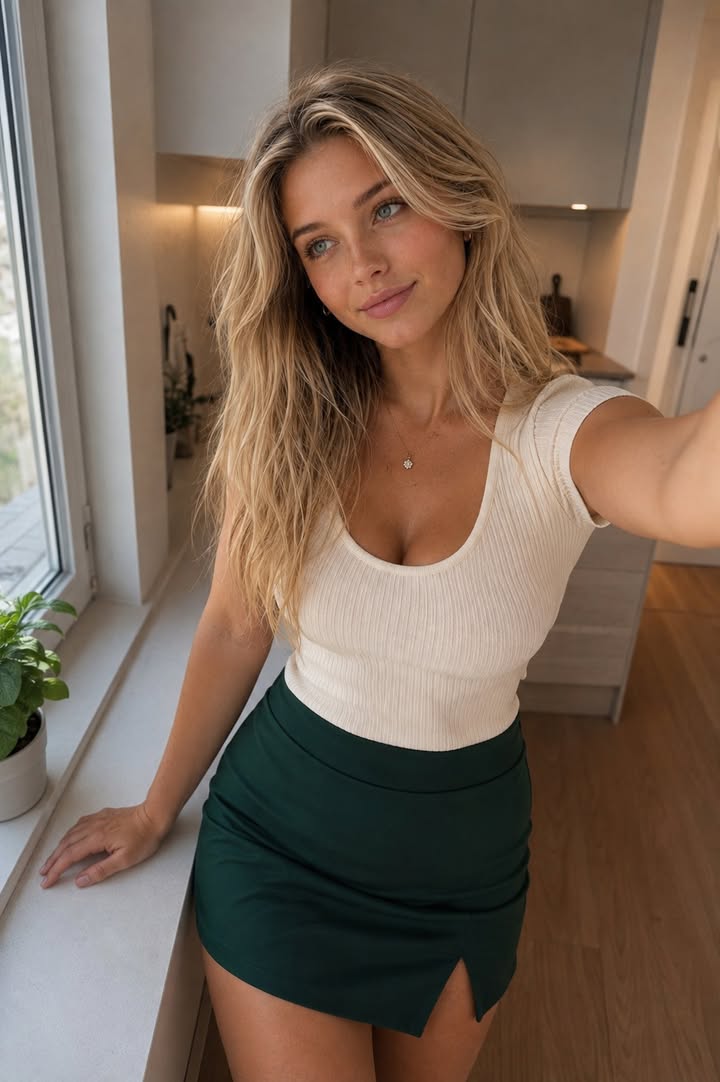
She leans in over the table, her linen shirt unbuttoned one too many times at the collar, sun freckles dark across the bridge of her nose, and her shoulder brushes his bicep when she reaches for a jar of sourwood honey. He can smell lavender lotion and old paper on her, sharp and warm, and his throat goes dry before he can stop it. “Heard this stuff tastes like pear candy if you leave it on your tongue long enough,” she says, nodding at the jar, and her voice is lower than he expected, rough like she spends half her day yelling over rowdy storytime crowds. He nods, grabs a wooden dipper, dips it in the test jar, holds it out. When she reaches for it, her fingers brush his, and he feels the jolt all the way up his arm, like he just touched a live fence wire. He notices the tiny black bee tattoo on the inside of her wrist, inked right next to a stack of tiny book outlines.
“Got that after the council vote,” she says, following his gaze, licking honey off the tip of her thumb, and she grins so wide the corners of her eyes crinkle. “Figured bees don’t care what a bunch of guys in cheap suits think they can ban. They just make honey, no questions asked.” Milo snorts before he can stop himself, a real laugh, the kind he hasn’t let out except when he’s alone with the hives in months. He hates that he’s enjoying this, hates that he’s noticing how her cutoff shorts show off the scar on her knee, hates that part of him is already wondering what she’d sound like laughing at one of Lena’s terrible beekeeper jokes. He’d spent eight years convincing himself wanting anything other than his hives and his quiet porch at night was a betrayal, that letting someone new in would be like spitting on Lena’s grave, and the disgust warring with the low, warm hum of desire in his chest makes his hands shake a little when he grabs another jar.
She asks him if he’s got any of the rare tupelo honey he keeps stashed under the table for regulars, and he nods, pulls it out without thinking, even though he’d promised the owner of the bakery downtown he’d save it for her. “I need it for the volunteer appreciation night at the library after closing tonight,” she says, leaning in closer, so close he can see the gold flecks in her green eyes, and she doesn’t look away when he holds her gaze. “Was also wondering if you’d come talk to the kids next week for our nature program. They’re obsessed with bees right now. I’ll even buy you a slice of the peach pie I’m baking for the night if you stay a little after.”
Milo’s first instinct is to say no, to tell her he doesn’t do talks, doesn’t go to the library, doesn’t do anything that isn’t on his carefully curated schedule. But she’s still holding his eye, and she brushes her thumb across the back of his hand when she passes him a 20 dollar bill for the tupelo, and the words are out of his mouth before he can stop them: “I’ll be there at 6.” She grins, scribbles her cell number on a scrap of library checkout receipt, tucks it into the pocket of his flannel shirt (he wears it even in the heat, for the extra pockets full of hive tools and bee smoke pellets) and her fingers brush his chest through the fabric when she does. “Text me if you can’t find the back entrance,” she says, slinging her canvas library bag over her shoulder, and she winks before she turns and walks away, her boots kicking up a little dust off the gravel.
He stands there for a full minute, staring after her, before he pulls the receipt out of his pocket, runs his thumb over the smudged ink of her number. He glances down at Lena’s neon price signs, taped to the edge of the table, and remembers how she used to nag him for being so stuck in his ways, how she’d drag him to random art shows and library readings even when he complained the whole time. A honeybee lands on the edge of the table, crawls across his knuckle for a second before it flies off toward the apple orchard at the edge of the market. He pulls his beat up old flip phone out of his jeans pocket, pecks out a quick text, hits send before he can overthink it.
The screen lights up with his sent message: I’ll bring extra honey sticks for the kids too.