Manny Ruiz, 52, spent 18 years as a smokejumper out of Missoula before a 2017 blaze that took three of his crew left him with a bad shoulder and a habit of sleeping with his boots next to the bed. He’d moved to western North Carolina four years prior to build custom fly rods out of his garage, kept to himself, turned down every barbecue invite from neighbors, hadn’t so much as shared a cup of coffee with a woman who wasn’t the grocery store cashier in six years. The only reason he was at the town Fourth of July fair was because his 12-year-old next door neighbor had begged him to enter one of his hand-carved rods in the craft contest. He’d won third place, the cheap crinkly blue ribbon digging into the palm of his hand as he leaned against a gnarled oak, sipping spiked lemonade the local fire department was selling for ten bucks a cup. The air reeked of fried dough, charcoal, and the faint sulfur tang of pre-firework test shots, and he was ten seconds from bailing when a blur of flannel and braided auburn hair crashed into the table two feet from him.
The woman running the apiary booth had jumped out of the way of a kid darting past with a cotton candy stick, knocking over a half-gallon jar of wildflower honey straight at his feet. It shattered on the asphalt, golden sticky goop splattering the toes of his brand new work boots and the hem of his faded Carhartt shirt. She swore, loud enough that the older couple next to them glanced over, and grabbed a handful of paper towels before kneeling right in front of him, dabbing at the honey on his boots before he could protest. He could smell lavender and raw honey in her hair, the faint tang of pine on her work gloves, and her bare forearm brushed the soft flesh of his calf through the hole in his jeans when she leaned in to scrape a glob off the laces. She looked up at him then, hazel eyes flecked with gold, and held eye contact a beat too long, her lips twisted in a half-apologetic, half-amused smirk. He froze, his throat going dry, the spiked lemonade sitting heavy in his stomach.
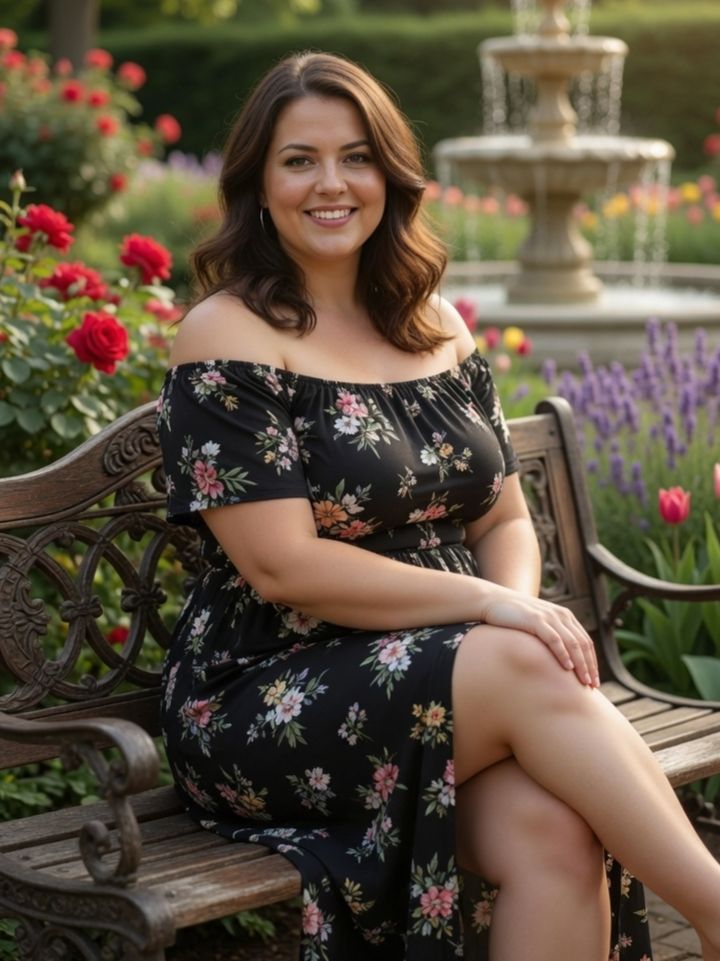
He’d expected to be angry. He’d bought those boots two days prior, saved up three rod sales to afford them, and he hated being touched by strangers. But when she laughed and said “I swear I usually don’t go dumping my inventory on random passersby,” he found himself snorting instead of snapping, telling her he’d had worse things caked on his boots, from pine pitch to fire retardant to elk guts. She stayed knelt there for another minute, wiping the last of the honey off his boots, and when she stood up she was close enough that he could feel the heat coming off her shoulders, see the tiny scar on her left jaw from a bee sting that swelled so bad she’d had to go to the ER a few years back. She told him her name was Lena, she ran the apiary ten minutes up the mountain, her husband had been a park ranger who died in a fall three years prior. He told her about the fly rods, about the smokejumping days, didn’t leave out the part about the crew he’d lost, which surprised him. He never talked about that with anyone.
They stood there talking for 45 minutes, the bluegrass band on the main stage fading into background noise as she told him she had a beat up old fiberglass fly rod her dad had given her when she was 10, the reel had broken last spring and she couldn’t find anyone who knew how to fix it. He offered to fix it for free before he could think better of it, and she grinned, said she’d trade him a gallon of her prized sourwood honey and a peach pie she’d baked that morning if he came by her place the next day. The first firework went off then, red and gold bursting over the treetops, and the crowd behind them surged forward, shoving her right up against his chest. Her shoulder pressed into his sternum, he could feel the soft curve of her hip against his thigh, and she tilted her head up to watch the next round of fireworks, the pink and blue light painting streaks across her cheeks. The tight knot he’d carried in his chest for six years loosened just a little, and before he could talk himself out of it, he brushed a strand of hair stuck to her honey-sticky cheek with the back of his hand. She didn’t flinch, didn’t pull away, just smiled and leaned into the touch for half a second, like she’d been waiting for it.
He was torn the whole rest of the conversation, half of him screaming that he was an idiot, that he didn’t get to have this, that he’d only mess it up and hurt her the way he’d messed up everything else after the fire, the other half of him buzzing like one of her bees, lighter than he’d felt since before the blaze. When the fireworks ended, she grabbed a napkin from her booth, scribbled her address on it in blue ballpoint, and tucked it into the breast pocket of his flannel shirt, her fingers brushing the scar on his chest through the fabric when she did. She told him to come by around noon, the pie would still be warm. He nodded, couldn’t find the words to say anything else.
He walked back to his beat up Ford F150 ten minutes later, the crumpled blue ribbon in one hand, the napkin crinkling in the other, the last of the honey still sticky on the toe of his boot. He licked the honey off the knuckle of the hand he’d used to brush her hair back, sweet and sharp and floral, and didn’t even mind the faint ringing in his ears from the fireworks, the thing that usually sent him into a panic attack for hours. He turned the key in the ignition, rolled the window down, and took the long way home just to feel the cool mountain air on his cheeks for a little longer.