Elias Voss, 53, has kept bees for 11 years, ever since his wife packed her suitcase and drove west for a tech sales job she’d hidden from him for six months. He’s got 47 hives scattered across western North Carolina, most tucked into unused corners of county park land, and he sells his small-batch sourwood and tupelo honey at three local markets a month. He hates the fall harvest festival more than any other event all year, but his 19-year-old niece begged him to man the booth while she ran the 5K that morning, so he’s stuck here, wiping sticky honey residue off mason jar labels for the third hour straight.
The air smells like fried apple pies, hickory smoke, and fermented cider. Johnny Cash warbles through crackling loudspeakers strung between oak trees, and kids in flannel shirts dart past his booth chasing each other with lollipops stuck in their mouths. Elias keeps his eyes down for the most part, avoids small talk with the regulars who stop by to say hi, already mentally running through the list of hive checks he needs to do first thing tomorrow when a shadow falls over his display.
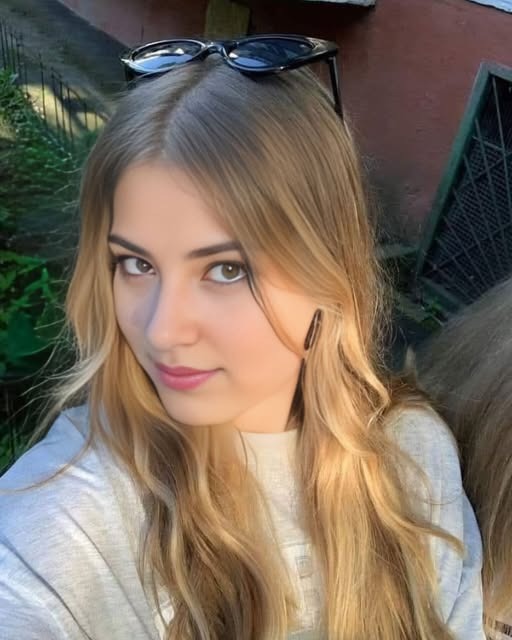
He looks up. She’s leaning in just close enough that her shoulder brushes his forearm, the soft worn fabric of her gray flannel scraping against the calloused skin of his arm, as she squints to read the handwritten label on a jar of wildflower honey. There’s a smudge of bright orange pumpkin pulp on her left cheek, leftover from the pie contest he saw her competing in an hour earlier, and scuffed work boots caked with mud on her feet. She plucks a honey sample stick off the tray next to him without asking, dips it in the open jar of tupelo, and pops it in her mouth. Her eyes widen. She laughs, a low, warm sound that cuts through the noise of the festival, and says it’s sweeter than the peach jam she won second place for at the county fair two weeks prior.
Elias freezes. He’s spent 12 years deliberately not noticing women, not letting anyone get close enough to brush his arm, not letting himself wonder what someone’s laugh would sound like over coffee at his kitchen table. His first instinct is to step back, mumble a polite thanks, and go back to wiping jars, but he doesn’t. He holds her eye contact for a beat too long, the blue of her eyes bright against the red of her wind-chapped cheeks, and smirks when he nods at the pumpkin pulp on her face. “You got a little something there,” he says, and she swats playfully at her cheek, misses, grins wider when he holds out a crumpled paper napkin.
Their fingers brush when she takes the napkin. He feels a jolt run up his arm, sharp and warm, the kind of feeling he’d forgotten existed. He’s torn, half of him frustrated that he’s even reacting this way, that he’s letting a stranger crack the walls he spent a decade building stone by stone, the other half unable to look away from the crinkles at the corner of her eyes when she wipes the pulp off her cheek, the way she tucks a strand of graying auburn hair behind her ear when she asks him how many hives he has.
She tells him she’s the new part-time librarian at the town branch, moved here from Nashville three years prior after her husband died of a heart attack, and that there’s a half-acre patch of wild clover behind the library that the town council wants to pave over for a new parking lot. She says the kids in the after-school program have been begging for a community project, and she was thinking they could put in a couple of bee hives, save the clover, teach the kids about pollinators. She asks if he’d be willing to come take a look next week, tell her if the spot’s any good.
Elias almost says no. It’s his default answer to any question that involves leaving his property for something that isn’t bee work, any question that involves letting someone into his rigid routine. But then she leans in a little closer, and he can smell lavender hand lotion on her skin mixed with the sweet tupelo honey on her breath, and he says yes before he can stop himself. She grins, digs a crumpled library hold slip out of her jeans pocket, scribbles her cell number on the back in blue ballpoint, and presses it into his palm. Her thumb lingers on the knuckle of his index finger for half a second, light as a bee’s wing, before she pulls her hand away.
She says she’s got to go meet her friend at the cider stand, waves, and turns to walk away, the hem of her flannel swishing against her jeans as she navigates through the crowd. Elias stands there holding the slip for a full minute, the paper warm from her hand, the noise of the festival fading into a low hum for a second like he’s standing inside one of his hives, quiet and warm and alive. He tucks the slip into the breast pocket of his work flannel, right next to the beat-up notebook he uses to track hive yields, and picks up the next jar of honey to wipe down, a small, unplanned smile tugging at the corner of his mouth he can’t fight even if he wanted to.